
Mijas Day Trip from Malaga: A Complete Visitor's Guide
The first time I drove up to Mijas Pueblo, I thought my satnav had lost its mind. The road winds, climbs, and then suddenly, you're there, a huddle of white houses clinging to the hillside, high above the sprawl of the Costa del Sol. It's a place many visitors to Málaga have on their list, and for g

By Anna Collins
Updated 4 April 2026
The first time I drove up to Mijas Pueblo, I thought my satnav had lost its mind. The road winds, climbs, and then suddenly, you're there, a huddle of white houses clinging to the hillside, high above the sprawl of the Costa del Sol. It's a place many visitors to Málaga have on their list, and for good reason. But it’s also easy to miss the real Mijas, the bits beyond the souvenir shops, if you don't know where to look.
Why Mijas Pueblo is Worth Your Day
You've probably seen the postcards: white walls, geraniums, blue skies. Mijas Pueblo is a classic Andalusian white village, or pueblo blanco. It sits about 400 metres above sea level, giving it a cooler microclimate than the coast below. This means a pleasant breeze even in summer, which is a welcome change from the heat of Málaga city or the beaches.
It's not just the pretty streets, though they are certainly charming. Mijas has a history stretching back to Roman times, and you can feel that age in its narrow lanes. It’s a good contrast to the busier coastal towns like Fuengirola or Torremolinos. Here, the pace is slower. People sit outside their houses, chat with neighbours, and the sound of church bells replaces the constant hum of traffic.
For British and Irish visitors, Mijas offers a taste of traditional Spain without venturing too far inland. You can wander for hours, get a bit lost, and then find your way back to a terrace for a cold caña or a glass of local Málaga wine. It’s a proper escape, even if just for a few hours. If you'd rather not drive, you can book a guided Mijas day trip that takes care of the transport.
Getting to Mijas Pueblo from Málaga
Getting to Mijas Pueblo is straightforward, but it helps to know your options. You've got buses, taxis, and rental cars. I'd lean towards the bus for ease, especially if you're staying in Málaga city.
By Bus: The Easiest Way
The bus is probably the most sensible option for a day trip. You'll need to get to Fuengirola first, then catch a local bus up to the pueblo.
- Málaga to Fuengirola:
- From Málaga city, head to the main bus station, Estación de Autobuses de Málaga, which is right next to the María Zambrano train station.
- Look for the M-113 or M-119 bus run by Avanza Portillo. These buses run frequently, usually every 20-30 minutes during the day.
- The journey takes about 45-60 minutes, depending on traffic and how many stops it makes.
- Expect to pay around €3.50-€4.00 for a single ticket. You can buy tickets from the driver.
- The bus will drop you at Fuengirola bus station.
- Fuengirola to Mijas Pueblo:
- From Fuengirola bus station, you'll need the M-122 bus. This is a local service that goes directly up to Mijas Pueblo.
- Buses run roughly every 30-45 minutes.
- The journey up the winding road takes about 20-25 minutes.
- A single ticket costs around €1.55. Again, pay the driver.
- The M-122 bus stops right at the entrance to Mijas Pueblo, near the main square (Plaza Virgen de la Peña).
Total bus journey time: Allow about 1.5 to 2 hours each way, including connection time.
Total bus cost: Around €5.00-€6.00 each way.
By Car: Freedom, But Mind the Parking
Driving gives you flexibility, but parking in Mijas Pueblo can be a bit of a headache, especially in peak season.
- Route: From Málaga, take the A-7 motorway west towards Fuengirola. Take exit 214 for Mijas/Fuengirola. From there, follow the signs for Mijas Pueblo (MA-403, then MA-402). The drive from Málaga city takes about 35-45 minutes.
- Parking: There's an underground car park, the Parking Municipal Mijas Pueblo, located right under the main square (Plaza Virgen de la Peña). It's well-signposted. It's a proper multi-storey car park, and it's your best bet.
- Expect to pay around €1.00 for an hour, or a flat rate of about €3.00 for the whole day, which is a bargain.
- It can fill up quickly in summer, especially on weekends. Arrive early if you're driving.
- Other parking: You might find some street parking further down the hill, but it's usually residential and very limited. Don't risk a fine.
By Taxi or Ride-Share
A taxi or ride-share service like Uber or Cabify from Málaga city directly to Mijas Pueblo will be the quickest but most expensive option.
- Cost: Expect to pay €40-€60 each way, depending on traffic and time of day.
- Journey time: Around 30-40 minutes.
- This is a good option if you're a group sharing the cost or if you're short on time.
Organised Tours
Plenty of tour operators offer half-day or full-day trips to Mijas Pueblo, often combined with other spots like Benalmádena or Fuengirola.
- Pros: No hassle with transport, usually includes a guide.
- Cons: Less flexibility, you're on their schedule.
- Cost: Prices vary, but expect to pay €30-€50 per person for a half-day tour.
My advice? If you're staying in Málaga city, the bus is easy and cheap. If you're staying closer, say in Benalmádena, you can catch the M-121 bus directly to Mijas Pueblo, which is even simpler. Just check the local Mijas Pueblo page for specific bus routes and times.
What to Do in Mijas Pueblo
Mijas Pueblo isn't huge, but it's packed with things to see and do. You can easily spend half a day or a full day here, depending on how much you like to wander and soak things in.
Wander the Streets
This is the main event. Just stroll. The streets are narrow, cobbled, and often steep. Every corner brings a new view, a different flower display. The white walls are often decorated with ceramic pots full of bright red geraniums. Don't worry about getting lost; the village is small enough that you'll always find your way back to the main square.
Ermita de la Virgen de la Peña (Shrine of the Virgin of the Rock)
This tiny chapel is carved directly into the rock face. It's been there since the 17th century. Inside, it's simple and cool, a peaceful escape from the sun. The story goes that the Virgin Mary appeared here. It's just off the main square. It's free to enter, though donations are welcome.
Jardines de la Muralla (Wall Gardens)
These gardens are built on the remnants of the old Arab fortress walls. They offer some of the best views of the coast and the surrounding mountains. There are fountains, benches, and plenty of shade. It’s a great spot for a picnic or just to sit and watch the world go by. You’ll find them right next to the Ermita.
Mirador de la Sierra and Mirador del Compás
These are two main viewpoints within the gardens. From here, you can see all the way down to Fuengirola, Benalmádena, and even Torremolinos on a clear day. You'll often see paragliders launching from nearby hills, circling above the valley.
Museo de Miniaturas (Carromato de Mijas)
This quirky museum is a collection of miniatures from around the world. Think tiny bullfighting scenes, microscopic paintings, and even a shrunken head. It's small, takes about 15-20 minutes to see, and costs around €3-€4 to enter. It's a bit of fun, especially if you're with kids. You'll find it near the main square.
Iglesia de la Inmaculada Concepción (Church of the Immaculate Conception)
This church dates back to the 16th century, built on the site of a former mosque. It's a good example of Mudejar architecture, with a square bell tower that was once a minaret. The interior is simple but atmospheric. It's usually open during the day, free to enter.
Mijas Bullring (Plaza de Toros)
One of the few oval bullrings in Spain, built in 1900. It's small, charming, and now mostly used for cultural events rather than bullfights. You can usually go inside and walk around the ring for a small fee, around €4. It gives you a sense of the tradition without the controversy of a live event.
Casa Museo (Ethnographic Museum)
Located near the bullring, this museum shows what life was like in Mijas in centuries past. It's got old farming tools, traditional clothes, and recreations of local homes. It offers a good insight into the local history and culture. Entry is usually around €1.
Donkey Taxis: A Local's Perspective
Ah, the Mijas donkey taxis, or burro-taxis. They've been a feature of Mijas for decades. Historically, donkeys were used by villagers for transport and farm work. When tourists started arriving, they'd ask for rides. Now, it's a regulated industry.
From my perspective, as someone who's lived here a long time, it's a bit of a mixed bag. Some people love the tradition, others have concerns about animal welfare. The local council has brought in stricter rules regarding the donkeys' care, working hours, and rest periods. They have regular vet checks.
If you choose to take one, expect to pay around €15-€20 for a short ride. The station is near the main square. Personally, I prefer to walk. The village is small enough to explore on foot, and it's free. If you're keen on the idea, just observe the donkeys for a bit before deciding. Are they standing comfortably? Do they look well cared for? You can also opt for an electric "tuk-tuk" taxi, which gives you the tour without involving animals. Our page on Mijas Donkey Taxis has more details.
Where to Eat and Drink in Mijas Pueblo
Mijas Pueblo has a good range of places to eat, from simple tapas bars to more formal restaurants. Prices are generally reasonable, but you'll pay a bit more for a table with a view.
For Traditional Spanish Food
- Restaurante El Mirlo Blanco: This place has been a Mijas institution for ages. It's just off the main square. They do solid Andalusian and Spanish classics: paella, grilled meats, fresh fish. The service is friendly, and it has a cosy atmosphere. Expect to pay €15-€25 for a main course.
- Restaurante Olé: Another long-standing option, often busy with both locals and tourists. They have a good terrace and a varied menu. Good for lunch or dinner. Mains are usually in the €12-€20 range.
- Bar Porras: For something simpler and more local, try Bar Porras on Calle Carril. It's a no-frills place, great for a coffee and tostada in the morning or a few tapas at lunchtime. Very authentic, and prices are low. A coffee and toast will be around €3-€4.
For Views and Drinks
- Restaurante El Balcón de Mijas: As the name suggests, this spot offers a terrace with sweeping views. It's perfect for a leisurely lunch or an evening drink as the sun sets. The food is decent, mostly international and Spanish dishes, but you're really there for the scenery. Mains are a bit pricier, around €18-€30.
- Bar Peña El Cartel: This place is close to the bullring and has a smaller, often less crowded terrace with good views. It's a great spot for a cold beer or a glass of wine. They do simple snacks too. A beer will be around €3.
For Sweets and Treats
- Churrería Mijas: If you're after churros, this is the place. It's a small stall, often set up near the main square or the bus stop. Freshly made churros with thick hot chocolate. A portion of churros and a chocolate will cost around €4-€5. Perfect for a mid-morning snack.
- Heladería Mijas: Several ice cream parlours are dotted around the village. They're a lifesaver on a hot day. Expect to pay €2.50-€4.00 for a cone or tub.
Remember that many places close for siesta in the afternoon, typically between 3 PM and 7 PM, especially the smaller, more traditional spots. Plan your lunch accordingly, or stick to places on the main square that cater more to tourists and stay open all day.
Practical Tips for Your Day Trip
A bit of planning makes any day trip smoother. Here are a few things I've learned from my years here.
Best Time to Visit
- Spring (April-May) and Autumn (September-October): These are ideal. The weather is warm but not scorching, the flowers are in bloom, and it's less crowded than summer.
- Summer (June-August): It gets hot. Really hot. If you visit in summer, go early in the morning (before 10 AM) or later in the afternoon (after 4 PM) to avoid the midday sun and the biggest crowds.
- Winter (November-March): Generally mild and sunny, but it can be chilly, especially in the evenings. Some smaller shops and restaurants might have reduced hours. It's a very peaceful time to visit if you don't mind cooler temperatures.
What to Wear and Bring
- Comfortable shoes: This is non-negotiable. Mijas Pueblo is all about walking up and down steep, cobbled streets. Leave the flip-flops for the beach.
- Sun protection: Even on cloudy days, the sun is strong. Hat, sunglasses, and high-factor sun cream are essential, especially from April to October.
- Water: Stay hydrated. You'll find small shops and fountains, but carry a bottle with you.
- Layers: In spring and autumn, it can be cool in the shade or first thing in the morning, but warm up quickly. A light jacket or cardigan is useful.
Avoiding Crowds
- Go early: Arrive by 9:30 AM or 10:00 AM to enjoy the quiet streets before the tour buses arrive.
- Go late: Many day-trippers leave by 4 PM. The late afternoon and early evening are beautiful, with a softer light and a more relaxed atmosphere.
- Avoid weekends: Weekends, especially Sundays, can be busier with local visitors. Weekdays are generally calmer.
Local Etiquette
Where to Stay
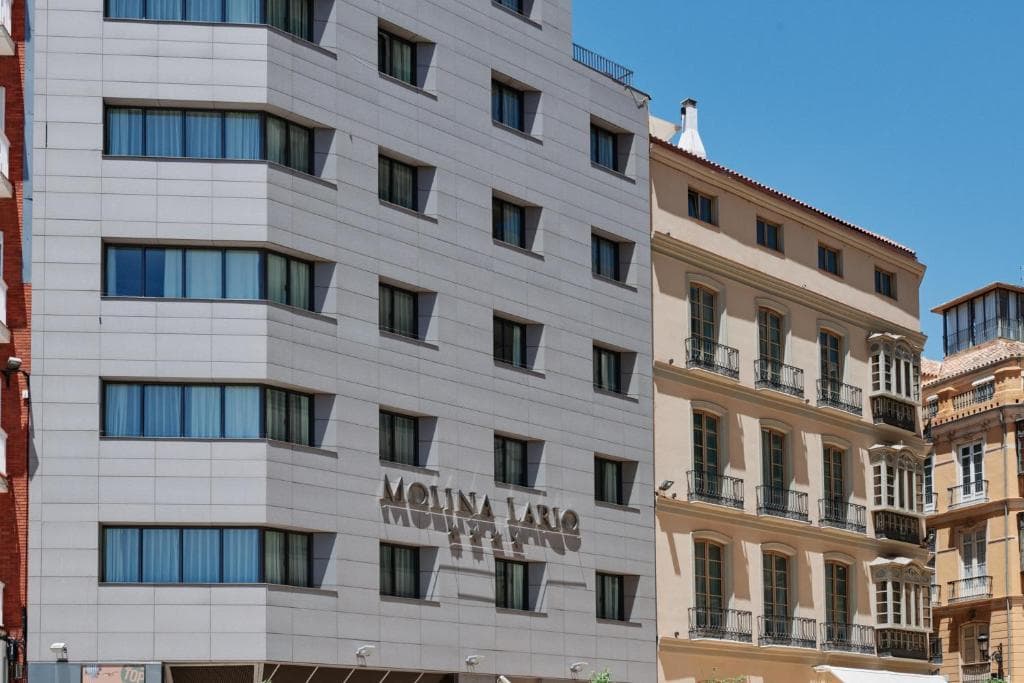
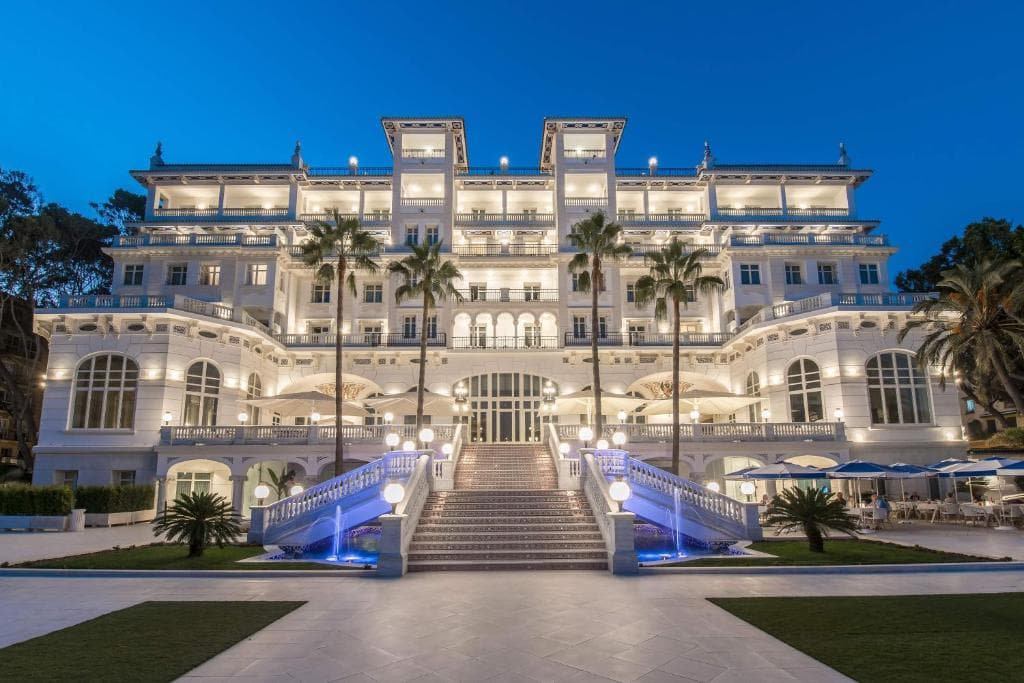
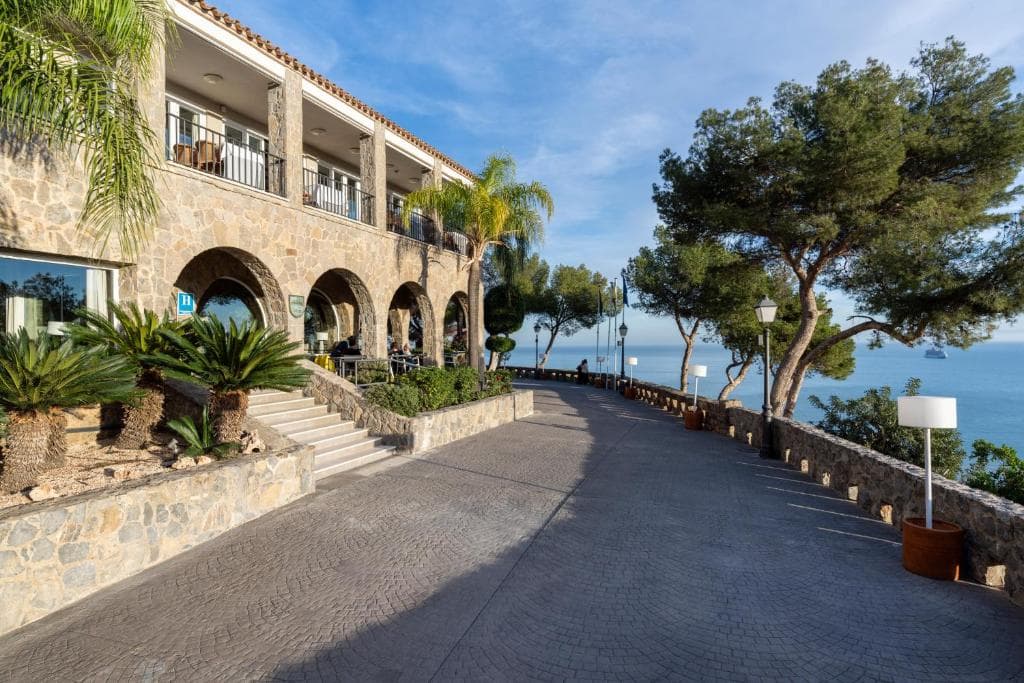
Where to stay in Málaga
- Say "Hola" and "Gracias": A few words of Spanish go a long way. People appreciate the effort.
- Dress respectfully: While casual is fine, remember you're in a traditional village. Beachwear is best left at the beach.
- Siesta: Respect the afternoon closing times. It's part of the culture.
- Noise: Keep noise levels down, especially in residential areas. These are people's homes.
Accessibility
Mijas Pueblo is very hilly and has many steps and cobbled streets. If you have mobility issues, it can be challenging. The main square and the gardens are relatively flat, but exploring the higher parts of the village will be difficult without assistance. The tourist office has a map that can help identify flatter routes.
Shopping and Souvenirs
You'll find plenty of souvenir shops in Mijas Pueblo. Some are tourist traps, but others offer genuinely nice local products.
What to Look For
- Hand-painted ceramics: Not just the mass-produced stuff. Look for smaller shops selling hand-painted plates, bowls, and tiles. They make lovely gifts or additions to your home. Prices vary widely depending on size and artistry, from €10 for a small plate to €100+ for a large piece.
- Leather goods: You'll find shops selling leather bags, wallets, and belts. Quality can vary, so check it properly.
- Local crafts: Some small workshops sell handmade jewellery, textiles, or wooden items. These are often more unique than the generic souvenirs.
- Málaga wine: Mijas is in the Málaga province, known for its sweet dessert wines. Pick up a bottle of Moscatel or Pedro Ximénez from a local bodega or even a supermarket. A decent bottle will cost €8-€15.
- Olive oil: Andalucía is the world's largest producer of olive oil. Look for local extra virgin olive oil. It's far superior to what you usually get back home. A good 500ml bottle will be around €6-€10.
- Food products: Honey, local cheeses, and turrón (nougat) are also good edible souvenirs.
Where to Shop
- Calle Málaga and Calle Muro: These are two of the main shopping streets, leading off the Plaza Virgen de la Peña. You'll find a mix of everything here.
- Smaller side streets: Often, the best finds are in the quieter lanes. Keep an eye out for independent artisan shops.
- Tourist Office Shop: Sometimes, the official tourist office has a small shop with quality local products and information.
Don't be afraid to haggle a little in smaller, independent shops, especially if you're buying a few items, but do it politely. It's less common in fixed-price stores.
The Mijas Tourist Office: Your Best Friend
Before you start exploring, make a stop at the Mijas Tourist Office. It's right on the Plaza Virgen de la Peña, impossible to miss.
- Maps: Grab a free map of the village. It highlights all the main attractions, viewpoints, and walking routes.
- Information: The staff are usually very helpful and can answer questions about bus times, restaurant recommendations, or local events.
- Toilet facilities: They often have clean public toilets, which is handy.
- Opening hours: Typically open from 9 AM to 7 PM in summer, and 9 AM to 5 PM in winter, but always check their current hours online if you're planning your trip.
I always recommend popping in. Even after living here for years, I still find new little details on their maps or hear about local festivals I didn't know about.
Beyond Mijas Pueblo: Other Mijas Areas (Briefly)
While Mijas Pueblo is the main draw for a day trip, it's worth knowing that Mijas is a municipality with three distinct areas:
- Mijas Pueblo: The white village we've been talking about, up in the mountains.
- Mijas Costa: This is the coastal strip, stretching for 12 kilometres between Fuengirola and Marbella. It includes popular areas like La Cala de Mijas and Riviera del Sol. You'll find beaches here, like the ones mentioned in our Best Beaches Costa del Sol guide, and more modern developments.
- Las Lagunas de Mijas: This is the commercial and residential area, essentially the modern town that grew up inland from Fuengirola. It's where many locals live and work, with shopping centres, industrial estates, and schools.
For a day trip focused on traditional charm, Mijas Pueblo is definitely where you want to be. Mijas Costa is more for beach days or if you're staying in a holiday rental there. Las Lagunas isn't really a tourist destination.
Combining Your Mijas Day Trip
If you're an early riser and want to make the most of your day, you could combine your Mijas Pueblo visit with another nearby location.
Mijas Pueblo and Fuengirola
Since you'll likely pass through Fuengirola anyway, you could spend an hour or two there.
- Morning in Mijas Pueblo: Arrive early, explore the village, have a coffee.
- Afternoon in Fuengirola: Take the M-122 bus back down to Fuengirola. You could walk along the seafront, visit Fuengirola Beach, or explore the Castillo Sohail if there's an event on. Fuengirola has plenty of restaurants for lunch or an early dinner before you head back to Málaga. Our Things to Do in Fuengirola guide has more ideas.
Mijas Pueblo and Benalmádena Pueblo
If you're driving, this is a good pairing. Benalmádena Pueblo is another charming white village, though a bit smaller than Mijas.
- Morning in Mijas Pueblo: Explore until lunchtime.
- Afternoon in Benalmádena Pueblo: Drive over (about 20-25 minutes). Wander its quiet streets, visit the Castillo de Colomares, or take the Benalmádena Cable Car up Mount Calamorro for more incredible views. Our Benalmádena Old Town guide has details.
I'd advise against trying to squeeze in too much. The charm of Mijas Pueblo is in its slower pace. Don't rush it.
A Final Word of Advice
Mijas Pueblo is a place that rewards exploration. Don't stick to the main square. Duck down a side alley, climb a set of steps, and see where you end up. That's where you'll find the little details that make it special: a cat asleep on a windowsill, a hidden patio garden, an old man tending his plants.
It’s easy to get caught up in the tourist traps, but if you look past them, you'll find the genuine heart of the village. Go with an open mind, comfortable shoes, and a desire to simply wander. You'll have a cracking day out.