
Things to Do in Malaga: The Ultimate Local Guide
Malaga is far more than a stopover. Discover the Picasso Museum, Atarazanas market, rooftop bars and the best beaches in our local guide.
Most people fly into Málaga and straight out to their resort without giving the city a second glance. That's a genuine shame, because Málaga has quietly become one of the best city-break destinations in southern Europe. I've been living on the Costa del Sol since 2007, and I still find excuses to spend a day here.
The city has 3,000 years of history, a seriously good food scene, and more museums per square metre than almost anywhere else in Spain. It's also far less crowded than Seville or Granada, and the locals haven't lost their patience with tourists yet.
The Alcazaba and Gibralfaro Castle
These two Moorish fortifications sit on the same hillside and together they tell you everything about Málaga's past.
The Alcazaba
The Alcazaba is a Moorish palace-fortress built in the 11th century. Tickets cost around €3.50 for adults, or €5.50 combined with Gibralfaro. I'd go combined every time. The gardens inside are beautifully kept, with fountains, orange trees, and shaded walkways. You can spend a good 45 minutes here without rushing. If you want the history brought to life, it is worth booking a guided Málaga tour that takes in the fortress and the old town.
The entrance is on Calle Alcazabilla, right next to the Roman Theatre. The theatre itself is free to view from the street and from a small interpretation centre beside it.
Gibralfaro Castle
From the Alcazaba, you can walk up to Gibralfaro in about 20 minutes. The path is steep but manageable. Alternatively, bus 35 runs from the city centre up to the castle. The views from the ramparts are extraordinary: the bullring, the port, the cathedral, the whole sweep of the bay.
The castle is open daily, typically from 9am to 6pm in winter and 9am to 8pm in summer. Check the Málaga tourism website before you go, as hours shift seasonally.
For more on visiting the Alcazaba, including what to see inside and how to avoid the queues, take a look at the dedicated Malaga Alcazaba guide on this site.
Málaga Cathedral and the Old Town Streets
The Cathedral of Málaga sits right in the centre of the old town, and it's one of those buildings that takes you by surprise. It's enormous. Construction started in the 16th century and was never actually finished, which is why locals call it "La Manquita" (the one-armed lady). One of the planned towers was never built.
Entry costs around €6 for adults. The rooftop tour is worth the extra few euros if you don't mind heights. You walk across the roof between the towers with views across the rooftops and down to the port.
The streets immediately around the cathedral are good for wandering. Calle Marqués de Larios is the main pedestrian shopping street. It's smart and well-kept, with a mix of Spanish chains and independent shops. On Saturday mornings the surrounding streets fill up with a street market.
Calle Granada and Calle Alcazabilla are better for independent bars, small restaurants, and the kind of café where you can sit for an hour with a coffee and a book.
The Picasso Museum and Málaga's Museum Quarter
Pablo Picasso was born in Málaga in 1881, and the city has made the most of that connection. The Picasso Museum on Calle San Agustín holds around 200 works across permanent and temporary collections. Tickets are around €12 for adults for the permanent collection, or €15 including temporary exhibitions.
I'd book online in advance, especially in July and August. The queues on the door can be significant.
His actual birthplace, the Casa Natal de Picasso on Plaza de la Merced, is a separate museum with free entry for the ground floor. It's smaller and less impressive than the main museum, but Plaza de la Merced itself is a lovely square to sit in for a while.
Other Museums Worth Your Time
Málaga has invested heavily in culture over the past 15 years. The Centre Pompidou Málaga, in the port area, is a satellite of the Paris original. Entry is around €9. The Carmen Thyssen Museum on Calle Compañía focuses on 19th-century Andalucian painting and costs around €10.
If you're interested in contemporary art, the CAC Málaga (Contemporary Art Centre) on Calle Alemania is free and genuinely good.
More on that in our guide to Málaga Museum Card.
Food, Tapas, and Where to Actually Eat
Málaga has its own food culture that's distinct from the rest of Andalucía. You need to know a few things before you eat here.
Espetos are the thing to order near the beach. These are whole sardines skewered on bamboo canes and grilled over an open fire. You'll see the fires on the beach at La Malagueta. Expect to pay around €6 to €8 for a portion of six. They're best eaten at lunch.
Ajoblanco is a cold almond and garlic soup, similar to gazpacho but white. It's a Málaga speciality and it's excellent in summer. Most traditional restaurants will have it on the menu from June onwards.
Where to Eat in the Centre
El Pimpi on Calle Granada is probably the most famous bar in Málaga. It's large, atmospheric, and decorated with signed wine barrels and old bullfighting posters. The food is decent rather than exceptional, but the setting and the house Málaga wine make it worth a visit. Expect to pay around €15 to €20 per head for food.
For something more local and less touristy, head to the Mercado de Atarazanas on Calle Atarazanas. This is the central market, open Monday to Saturday mornings. The building itself is beautiful, with a stunning stained-glass window. Buy fresh produce, or grab a glass of wine and some jamón at one of the market bars inside. It costs nothing to wander around.
Málaga wine deserves a mention of its own. The region produces sweet wines from Pedro Ximénez and Moscatel grapes. They're not fashionable in the way that Rioja is, but they're genuinely interesting. If you want to explore this properly, the Malaga Wine guide on this site goes into much more detail on tours and tastings.
La Malagueta Beach and the Seafront
La Malagueta is Málaga's main city beach. It's a proper urban beach: dark sand, sunbeds available for hire, and chiringuitos (beach bars) all along the front. It's about a 15-minute walk from the cathedral, or a short taxi ride.
Where to Stay
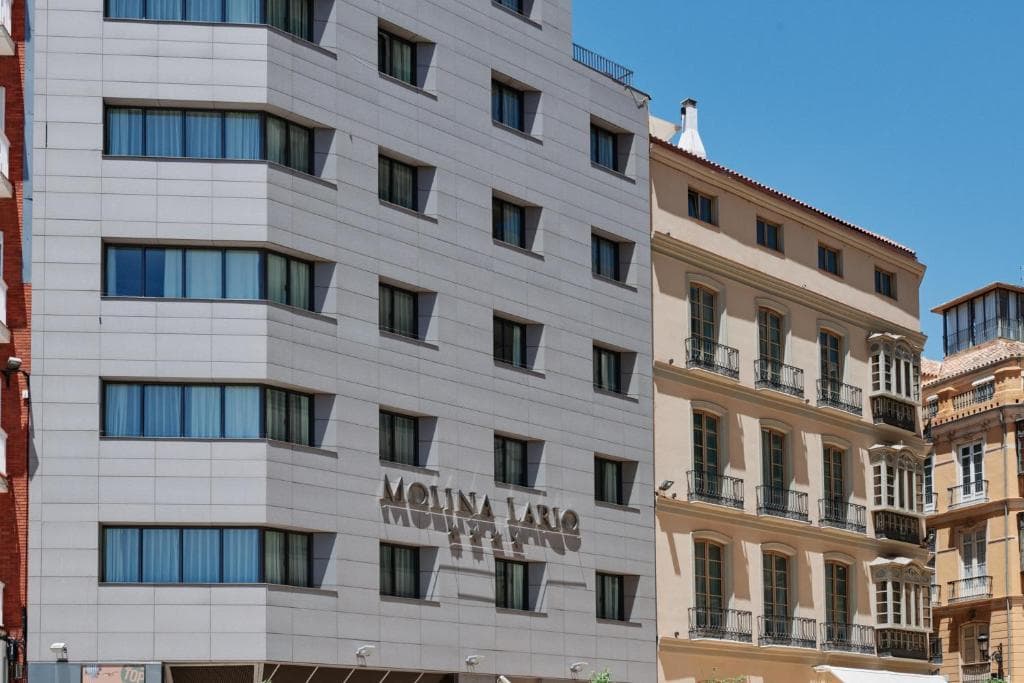
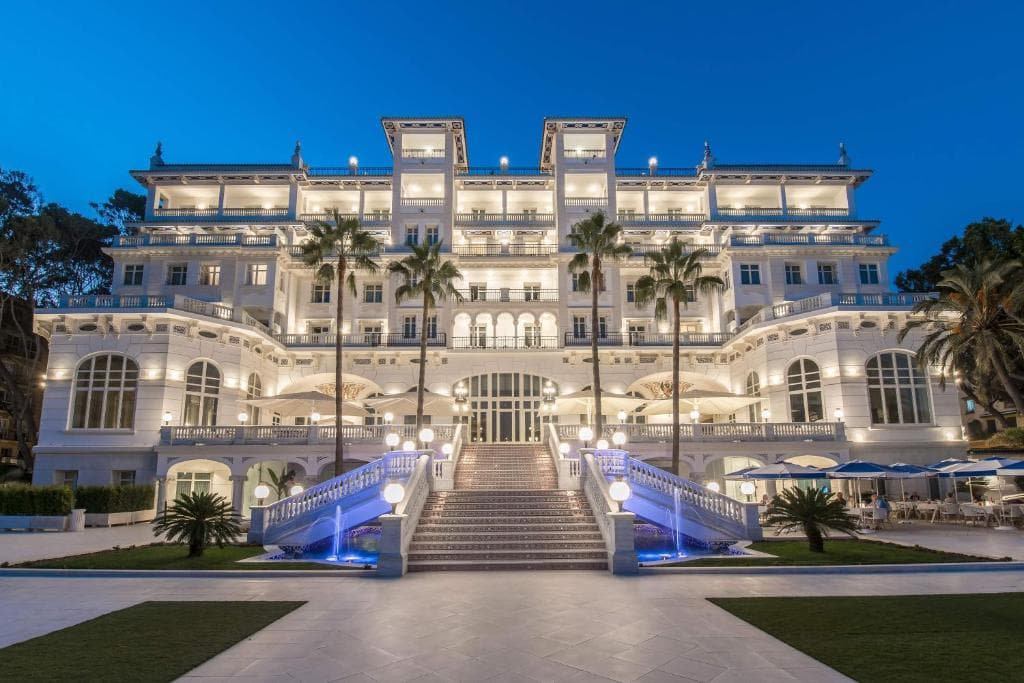
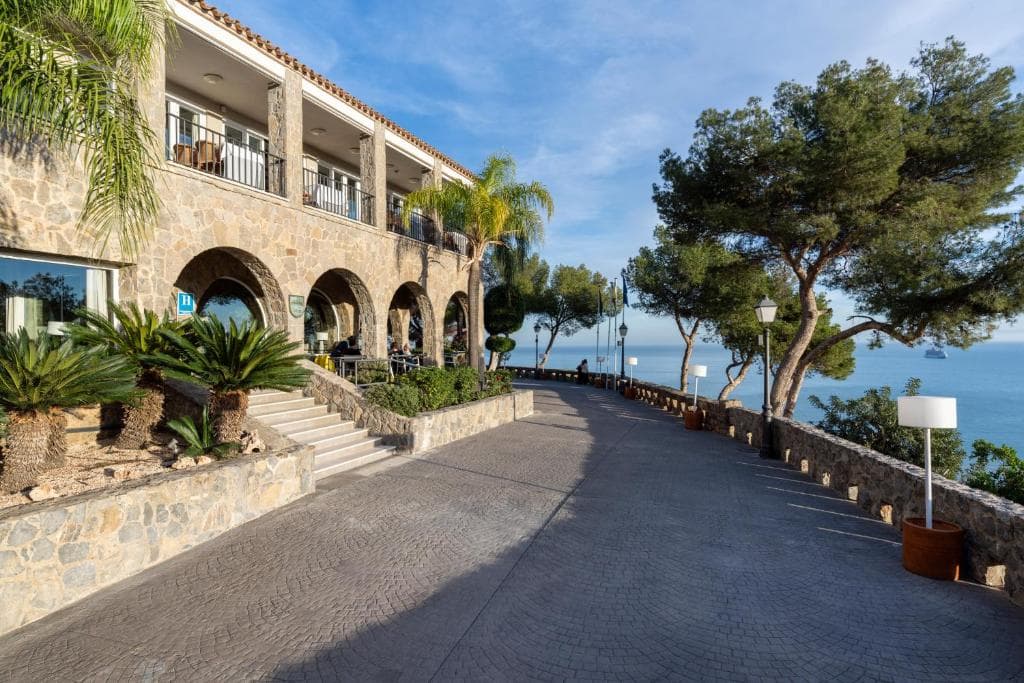
Where to stay in Málaga
It won't be the best beach you visit on the Costa del Sol, but it's convenient and lively. The seafront promenade, the Paseo Marítimo, runs east from the beach towards the quieter beaches of Pedregalejo and El Palo. These neighbourhoods feel more residential and the fish restaurants here are excellent.
For a full guide to the beach itself, including what to expect and the best time to visit, the La Malagueta Beach Malaga page has everything you need. And if you're planning to explore the wider coastline, the Best Beaches Costa del Sol guide covers the whole region.
Flamenco in Málaga
Flamenco is Andalucían, not specifically Malagueño, but Málaga has some good venues for seeing it performed properly. The local form is called Malagueña, a style of cante (song) that developed here in the 19th century.
Tablao Flamenco Los Amayas is one of the more respected venues in the city. Shows typically start at 8pm or 10pm and tickets are around €25 to €35, sometimes including a drink. Book ahead in summer.
For a broader guide to flamenco options across the region, including what to look for in a genuine performance versus a tourist show, the Best Flamenco Shows in Malaga and Andalucia guide is a useful starting point.
Day Trips from Málaga
Málaga is one of the best bases on the Costa del Sol for exploring further afield. The train and bus connections are good, and the city doesn't feel like a resort, so you're happy to come back to it in the evening.
Ronda is about 1 hour 45 minutes by bus and the views of the gorge are genuinely dramatic. The Ronda Day Trip from Malaga guide covers how to get there and what to do when you arrive.
Caminito del Rey is a spectacular gorge walk about 60km north of Málaga. The path clings to the cliff face and the views down into the gorge are extraordinary. It's not suitable for anyone with a serious fear of heights, but it's not as terrifying as the old photographs suggest. Tickets sell out weeks in advance in spring and autumn. The Caminito del Rey guide has full details on booking, what to wear, and how to get there without a car.
Nerja, about 50km east along the coast, has some of the best beaches on the whole coastline and the famous Nerja Caves are worth an hour of anyone's time. The Nerja Caves guide explains what's inside and how to visit.
For a broader overview of where to go, the Best Day Trips from Málaga guide covers all the main options with transport information.
Practical Information for Visiting Málaga
Getting around: Málaga city centre is walkable. The Alcazaba, cathedral, Picasso Museum, and Mercado de Atarazanas are all within 15 minutes of each other on foot. Bus 35 covers the Gibralfaro route. Taxis are reasonable, and Uber operates in the city. Hiring a car makes sense if you're planning day trips further along the coast.
Getting there from the Costa del Sol: The C1 commuter train runs along the coast from Fuengirola through Torremolinos and into Málaga María Zambrano station. It runs frequently and costs around €4 each way from Fuengirola. From Torremolinos it's around €2.50. This is by far the easiest way to get in from the resort towns.
Best time to visit: April, May, October, and November are ideal. The weather is warm without being oppressive, the city is busy but not overwhelmed, and prices are lower than peak summer. July and August are hot (expect 35°C regularly) and the museums can be crowded.
Money: Most places in the city centre accept cards. That said, smaller market bars and some traditional tapas places are still cash-preferred. Keep €20 in coins and small notes just in case.
Language: English is widely spoken in tourist areas, but a few words of Spanish go a long way. "Una caña, por favor" (a small beer, please) will make you friends immediately.
If you're using Málaga as a base and planning to explore the wider coast, the guide to resorts near Málaga gives a good overview of what each town along the coast has to offer.
Travelling with children? The city is more family-friendly than you might expect.
The Centre Pompidou is free on Sunday afternoons, which is when families tend to descend on the Espacio Joven workshop space. The current exhibition by Jean-Charles Castelbajac has children making flags, composing with sounds and shapes, and dancing with signs. I’ve been with a six-year-old. She lasted ninety minutes without asking for a screen.
MIMMA on Calle Beatas has one rule: touch everything. Grand piano, full drum kit, guitars and violins, all played, all day. The museum’s slogan is “se ruega tocar,” which translates as please handle the exhibits. It works.
The Museum of Imagination is in the Soho district, five minutes from the Pompidou. Optical illusions, light and shadow rooms, sound installations where you feel music rather than hear it. It’s better with a child in tow than without one. Bring a camera.
OXO, the video game museum, suits older kids. Classic consoles from the 1980s through to now, a Final Fantasy exhibition, and walkthrough installations. Two hours is enough.
The Aeronautical Museum is housed in the airport’s original 1948 passenger terminal. You can walk through an airliner cockpit, see nine historic aircraft, and climb up to a 1940s control tower. Entry is free. It’s one of the better free museums in Andalusia.
Where to Stay in Málaga
Málaga's accommodation has improved considerably over the last decade. The city centre options near the old town are the most useful if you're here to see the museums, eat well, and walk everywhere.
The Only YOU Hotel Málaga is the standout boutique option in the city centre. It sits in a converted 19th-century building in the heart of the old town and is the kind of place that feels genuinely thoughtful rather than just expensive. For those who want the city on their doorstep without the chain-hotel feel, it's the first recommendation.
For strong value at a central location, the Room Mate Valeria offers a good bed in a well-positioned building without paying boutique prices. It's consistently well reviewed for what it is: clean, central, and does the job without fuss.
Budget options cluster around the port and Soho district. The old town itself has a handful of smaller guesthouses, though parking in the centre is limited, if you're arriving by car, factor in a car park cost or book a hotel that includes it.
In This Guide

3 Days in Málaga: Ultimate Itinerary & Local Tips
You know, for years, when you mentioned Málaga to folks back home, they'd often just picture the airport, a quick stop before heading off to Torremolinos or Marbella. But trust me, that's not the Málaga I've known since 2007. This city has quietly, confidently, become a proper destination
Read more →Airlines Flying to Malaga Airport: Routes and Terminals 2026
Who flies to Malaga now, which UK and Irish airports have a direct route, and the terminal detail that catches people out on the way home.
Read more →
Best Hotels in Málaga City 2026: Where to Stay & What to Pay
Best Hotels in Málaga City 2026: Where to Stay and What to Pay
Read more →
Best Restaurants in Málaga City: A Local's Food Guide
You'll notice something quickly about Málaga city: it closes early. Not every restaurant, of course, but many traditional spots finish lunch service around 3:30 PM and don't reopen until 8 PM. Plan your meals around this schedule, especially if you're used to eating dinner at 6 PM. It's a small adju
Read more →
Caminito del Rey 2026: The Cliff Walk, Tickets & How to Book
Complete guide to Caminito del Rey tickets prices, how to book, what is included, and how far ahead you need to plan.
Read more →Car Hire at Malaga Airport 2026: What to Check Before You Book
Which companies are in the terminal, which need a shuttle, and the fuel policy and excess terms that decide what you actually pay.
Read more →Cheap Flights to Málaga from UK: Airlines & Booking Tips
Cheap Flights to Málaga from the UK: Airlines, Booking Tips and the Best Time to Fly
Read more →
Flamenco Shows in Malaga 2026: Best Venues, Prices & Tips
The best flamenco shows in Malaga, from intimate tablaos to free festival nights. Find out where to book, what to pay and what to avoid.
Read more →Malaga Airport Transfers 2026: Train, Bus, Taxi or Private
Train, bus, taxi or private transfer from Malaga airport: what each costs in 2026, how long it takes, and which one suits your group.
Read more →
Málaga Itinerary: How to Spend 3 Perfect Days in the City
Málaga is often seen as a gateway to the Costa del Sol, a place you land at before heading off to Torremolinos or Marbella. That's a mistake. living here since 2007, I can tell you Málaga city itself is a cracking destination, far more than just an airport stop. It's got history, art, proper foo
Read more →Málaga Old Town: Complete Guide to Sights, Food & Tips
You know, for all the talk about Málaga being a city that's really found its feet in recent years, one thing hasn't changed much in the Old Town: the smell of roasting almonds from street vendors. It hits you, sweet and smoky, usually around Calle Granada, reminding you that this isn't just another
Read more →Málaga Wine Guide: Types, Tours and Where to Taste It
Málaga produces some of Spain's most distinctive fortified wines. A local guide to the five classifications, best bodegas and wine tours in the province.
Read more →
Málaga for Couples: A Local's Romantic Travel Guide
You might think Málaga is all about stag and hen parties, especially if you've heard some of the Costa del Sol stories. But living here since 2007, I can tell you that the city itself, Málaga proper, is actually a cracking spot for couples. It's got that easy-going Spanish charm, plenty of histo
Read more →Málaga for Families: A Complete Guide to a Kid-Friendly Trip
I've lived on the Costa del Sol since 2007, and one thing I often hear from friends back home is how they think Málaga city is just for grown-ups. They imagine late-night tapas and art galleries, not playgrounds and child-friendly beaches. But honestly, Málaga is one of the most family-fri
Read more →
Only YOU Hotel Málaga Review: An Urban Oasis in the City Centre
A boutique design hotel steps from Calle Larios, here's what it's actually like to stay.
Read more →
Resorts Near Málaga: All 10 Compared, With Airport Times
Resorts near Málaga compared side by side: what each of the ten actually delivers, who it suits, and the train time from the airport to each one.
Read more →
Room Mate Valeria Málaga Review: Great Location, Strong Value
A well-positioned city hotel in the heart of Málaga, ideal for exploring on foot.
Read more →