
Ronda Day Trip from Malaga: A Complete Visitor's Guide
Many visitors to the Costa del Sol stick to the beaches and coastal towns. They often miss out on the dramatic interior. Ronda is one of those places that genuinely pulls you away from the coast and into a different, older Andalucía. It's not just the famous bridge, though that's certainly impressiv

By Anna Collins
Updated 4 April 2026
Many visitors to the Costa del Sol stick to the beaches and coastal towns. They often miss out on the dramatic interior. Ronda is one of those places that genuinely pulls you away from the coast and into a different, older Andalucía. It's not just the famous bridge, though that's certainly impressive. It's the whole package, a town perched on a cliff edge, steeped in history, and with a real sense of its own character. You'll find it quite different from Málaga city or the resorts along the coast.
Why Ronda Deserves Your Time
Ronda sits high up in the mountains, about 750 metres above sea level. This means cooler temperatures than the coast, often a welcome change in summer. The town itself is split by the El Tajo gorge, a natural chasm over 100 metres deep. Three bridges cross it, but the Puente Nuevo, or New Bridge, is the one you'll recognise. It's a monumental piece of engineering from the 18th century.
Beyond the bridge, Ronda has a deep, sometimes dark, history. It was one of the last Moorish strongholds to fall to the Christians in Andalucía. This history is still visible in the architecture of the old town, La Ciudad. It's also known as the birthplace of modern bullfighting, and its bullring is one of the oldest and most respected in Spain.
You won't find sprawling resorts or package holiday vibes here. Ronda offers a glimpse into a more traditional Spain, with whitewashed buildings, cobbled streets, and quiet plazas. It's a place for walking, for soaking up the atmosphere, and for appreciating dramatic natural beauty combined with centuries of human endeavour. It feels different, less polished than the coast, and I think that's its strength.
Getting to Ronda from Málaga
You have a few solid options for reaching Ronda from Málaga. Each has its pros and cons, depending on your budget and how much flexibility you want.
By Car
Driving is often the most convenient way to get to Ronda, especially if you're staying outside Málaga city. The journey takes roughly 1 hour 30 minutes to 1 hour 45 minutes, depending on traffic and your starting point.
The Route:
From Málaga, you'll generally take the A-357 towards Cártama and Ardales. This road is well-maintained and takes you through some pretty countryside. You'll pass by some impressive reservoirs like Embalse del Conde de Guadalhorce, which is near the Caminito del Rey. From Ardales, you continue on the A-367 directly to Ronda. The final stretch has some winding roads as you climb into the mountains, so be prepared for that.
Parking in Ronda:
Parking can be a bit tricky, especially during peak season. I'd recommend heading for one of the underground car parks.
- Parking Martínez Astanda: This is a good central option, close to the bullring and the main shopping street. Expect to pay around €2-3 per hour, or €18-20 for a full day. You'll find it on Calle Martínez Astanda.
- Parking El Socorro: Another central choice, near Plaza del Socorro. Similar pricing to Martínez Astanda.
- Street Parking: You might find some blue zone (zona azul) street parking, which requires payment at a meter. These are harder to come by and usually have time limits. Avoid yellow lines, as these mean no parking at all.
Pros of Driving:
- Complete flexibility with your schedule.
- You can stop at viewpoints or interesting villages along the way.
- Comfortable for families or groups.
Cons of Driving:
- Parking can be a hassle and expensive.
- You'll need to navigate mountain roads.
By Bus
Taking the bus is a straightforward and economical option. The main bus company operating this route is Avanza (previously Los Amarillos).
Departure Point:
Buses depart from Málaga's main bus station, Estación de Autobuses de Málaga, which is right next to the María Zambrano train station. You can easily get there by local bus or metro from most parts of Málaga.
Journey Details:
- Frequency: Buses run several times a day, though less frequently on weekends and public holidays. Check the Avanza website for the most up-to-date timetable. I'd advise booking your tickets online in advance, especially for popular times.
- Journey Time: The bus journey usually takes around 2 hours to 2 hours 30 minutes. Some routes are direct, others make a few stops in smaller towns.
- Cost: A single ticket typically costs between €10-€15. A return ticket will be around €20-€25.
Arrival in Ronda:
The bus station in Ronda is fairly central, just a 10-15 minute walk from the Puente Nuevo and the old town. It's on Calle de la Carrera Espinel.
Pros of Bus Travel:
- Affordable.
- You don't have to worry about parking or navigating.
- Relaxing, you can enjoy the scenery.
Cons of Bus Travel:
- Less flexible with timings.
- Journey can be longer than driving.
By Train (Indirect)
There's no direct train from Málaga to Ronda. You would need to take a train from Málaga María Zambrano station to Antequera-Santa Ana, and then change to a regional train to Ronda.
Journey Details:
- Málaga to Antequera-Santa Ana: High-speed AVE or AVANT train, takes about 25-30 minutes.
- Antequera-Santa Ana to Ronda: Regional train, takes about 1 hour.
- Total Journey Time: Expect at least 1 hour 45 minutes to 2 hours, plus transfer time.
- Cost: This option is usually more expensive than the bus, with total costs potentially ranging from €25-€40 return, depending on how far in advance you book.
Pros of Train Travel:
- Comfortable.
- Good if you prefer trains over buses.
Cons of Train Travel:
- Indirect, requires a change.
- Generally more expensive than the bus.
- Less frequent services than buses.
Organised Tours
If you prefer everything arranged for you, many companies offer organised day trips to Ronda from Málaga and other Costa del Sol resorts like Marbella or Fuengirola.
What to Expect:
- Pickup: Usually from a central point in Málaga or your hotel if it's on the route.
- Transport: Air-conditioned coach.
- Guide: Often includes a local guide who provides commentary.
- Itinerary: Typically covers the main sights like the Puente Nuevo, the bullring, and some free time. Some tours combine Ronda with other nearby attractions, like a visit to a white village or a winery.
- Cost: Expect to pay anything from €50 to €80 per person, depending on what's included.
Pros of Organised Tours:
- Hassle-free, no need to plan transport or navigation.
- Often includes a knowledgeable guide.
- Can be a good option if you're travelling solo and want company.
Cons of Organised Tours:
- Less flexibility and limited time at each stop.
- Can feel rushed.
- More expensive than public transport.
What to See and Do in Ronda
You'll want to focus on a few key areas to make the most of your day. Ronda is a compact town, but its main attractions are spread across the gorge.
Puente Nuevo (New Bridge)
This is the main event. The bridge itself is an engineering marvel, completed in 1793 after 40 years of construction. It connects La Ciudad (the old Moorish town) with El Mercadillo (the newer, 15th-century part).
Best Viewpoints:
- Mirador de Aldehuela: Right next to the bullring, on the Mercadillo side. This gives you a classic, head-on view of the bridge.
- Mirador de Ronda: Part of the Alameda del Tajo park, offering panoramic views of the valley and the bridge.
- Jardines de Cuenca: On the La Ciudad side, these terraced gardens offer different perspectives of the bridge and the gorge.
- From Below: For a truly dramatic view, you can walk down a cobbled path (Camino de los Molinos) from the old town side, near the Arco de Felipe V. It's a steep walk, about 20-30 minutes down, and naturally, uphill on the way back. It takes you to the base of the gorge, offering an incredible perspective of the bridge's height. Only do this if you're fit and have sturdy shoes.
Plaza de Toros de Ronda (Bullring)
Ronda's bullring is one of the oldest and most beautiful in Spain, dating back to 1785. It's considered the home of modern bullfighting. Even if you're not a fan of bullfighting, the history and architecture are worth seeing.
What You'll See:
- The sand arena itself, with its impressive double-tiered seating.
- The Bullfighting Museum, which houses costumes, weapons, and historical artefacts related to the sport.
- Stables and other areas behind the scenes.
Practical Information:
- Location: Paseo Blas Infante, on the El Mercadillo side.
- Opening Hours: Generally 10:00 to 18:00 or 20:00, depending on the season. Always check their official website before you go.
- Entry Fee: Expect to pay around €8-€9 for adults. This usually includes the museum.
- Time Needed: Allow at least an hour to an hour and a half.
Alameda del Tajo Park
Right next to the bullring, this park is a lovely spot for a stroll and offers some of the best views in Ronda. It's a relatively small, tree-lined park with several balconies (miradores) overlooking the gorge and the plains beyond.
What You'll See:
- Formal gardens and shaded pathways.
- The Mirador de Ronda, with its expansive views.
- A statue of the bullfighter Pedro Romero.
Practical Information:
- Location: Paseo Blas Infante.
- Entry: Free.
- Time Needed: 30-45 minutes for a leisurely walk and photo stops.
La Ciudad (Old Town)
Cross the Puente Nuevo into La Ciudad. This is the older, quieter part of Ronda, with narrow cobbled streets, whitewashed houses, and some important historical buildings.
Key Sights in La Ciudad:
Casa del Rey Moro (House of the Moorish King) and La Mina
Despite its name, this palace wasn't built by a Moorish king. It's an 18th-century noble house. However, its real draw is the "La Mina," a secret underground staircase carved into the rock. It leads all the way down to the bottom of the gorge, to the Guadalevín River. It was used to ensure water supply during sieges.
Practical Information:
- Location: Calle Cuesta de Santo Domingo.
- Opening Hours: Gardens and La Mina are typically open 10:00 to 18:00 or 20:00. The house itself is not usually open to the public.
- Entry Fee: Around €7-€8 for the gardens and La Mina.
- Warning: La Mina has over 200 steep, often wet and slippery, steps. It's not for everyone. Wear good shoes and be prepared for the climb back up.
Palacio de Mondragón (Mondragón Palace)
This former palace was once a residence of Moorish kings and later Christian monarchs. Today, it houses Ronda's Municipal Museum. The architecture is a mix of Moorish and Renaissance styles, and the courtyards and gardens are particularly beautiful.
Practical Information:
- Location: Plaza Mondragón.
- Opening Hours: Generally 10:00 to 18:00 (winter) or 19:00 (summer), closed Mondays.
- Entry Fee: Around €4-€5.
- Time Needed: 45 minutes to an hour.
Iglesia de Santa María la Mayor (Church of Santa María la Mayor)
Originally a mosque, this church was built after the Christian conquest. It features a mix of Gothic, Renaissance, and Baroque styles. You can climb the bell tower for some good views over the old town.
Practical Information:
- Location: Plaza Duquesa de Parcent.
- Opening Hours: Typically 10:00 to 18:00.
- Entry Fee: Around €4-€5.
Jardines de Cuenca (Cuenca Gardens)
These terraced gardens cling to the edge of the gorge on the La Ciudad side. They offer a series of viewpoints overlooking the Puente Nuevo and the El Tajo gorge. They are free to enter and a pleasant place for a walk.
Eating and Drinking in Ronda
Ronda has a good selection of places to eat, from traditional tapas bars to more formal restaurants. You'll find plenty of Andalusian specialities.
Local Dishes to Try:
Where to Stay
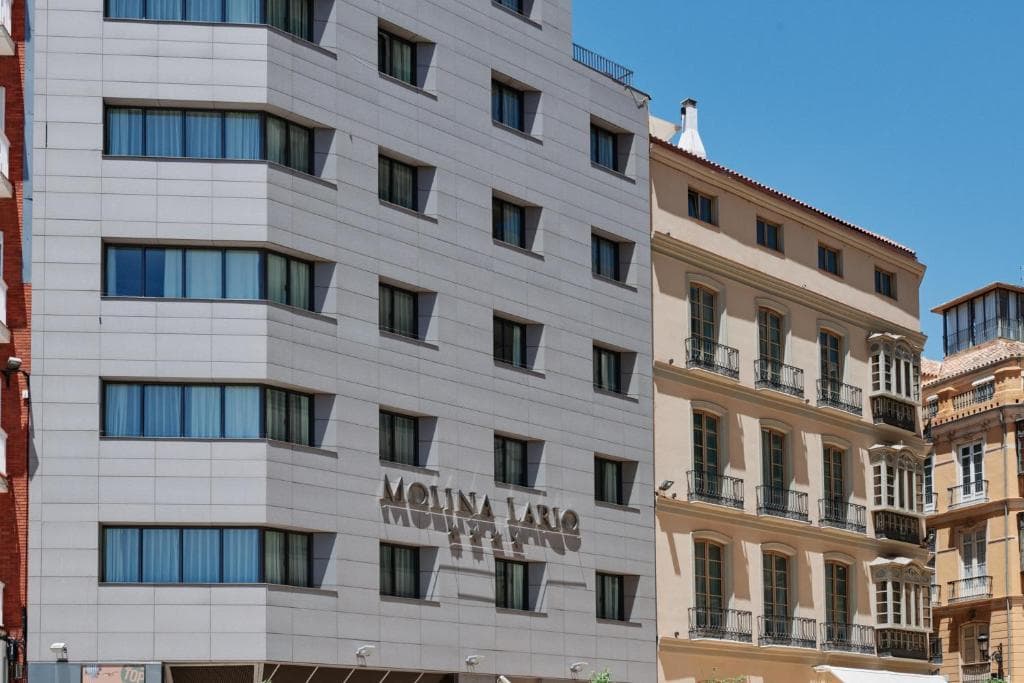
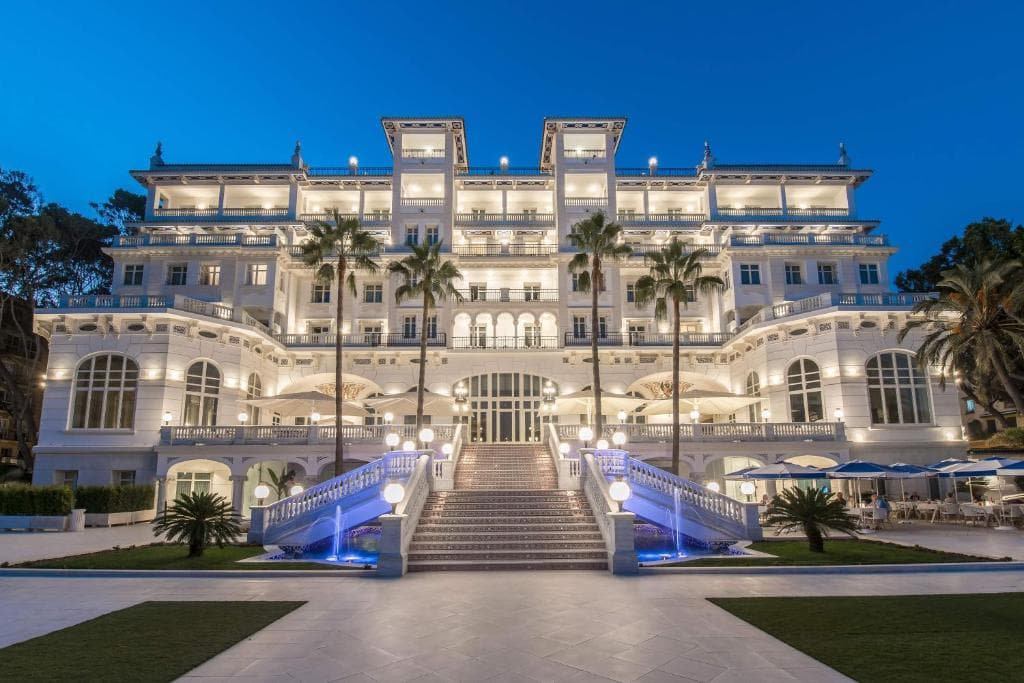
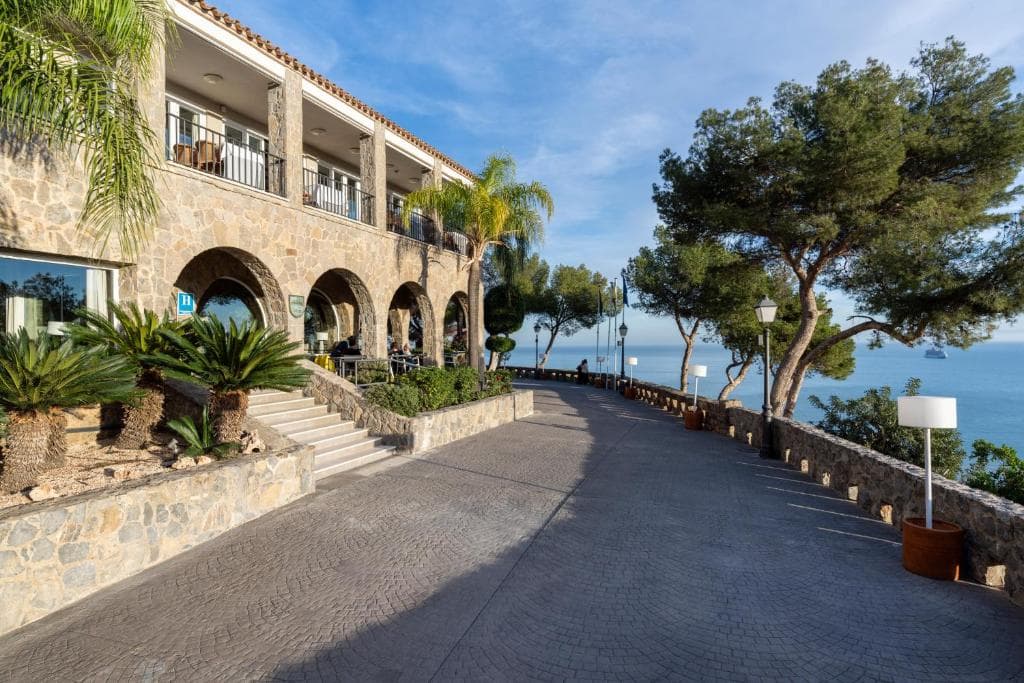
Where to stay in Málaga
- Rabo de Toro (Oxtail Stew): A classic, slow-cooked dish, often served with potatoes. Ronda is famous for it.
- Setas (Wild Mushrooms): Depending on the season, you might find delicious local mushroom dishes.
- Chorizo al Vino: Chorizo sausage cooked in red wine.
- Migas: Fried breadcrumbs, often served with various accompaniments like fried eggs, peppers, or chorizo.
- Ronda Wine: The region around Ronda produces some excellent wines, both red and white. Look for local bodegas.
Restaurant Suggestions:
For Traditional Tapas:
- El Lechuguita: This is a small, traditional tapas bar that's always busy. It's known for its incredibly cheap tapas, around €1 per plate. Don't expect fancy decor, but the atmosphere is genuine. You'll find it on Calle Virgen de los Dolores. Be prepared to stand, as seating is limited.
- Bar La Giralda: Another popular spot for classic tapas. It's a bit more spacious than El Lechuguita and offers a good range of dishes. Located on Calle Naranja.
For a Sit-Down Meal:
- Restaurante Pedro Romero: Right opposite the bullring, this restaurant is a Ronda institution. They specialise in traditional Andalusian cuisine, with rabo de toro being a highlight. It's a bit more formal and pricier, expect to pay €20-€35 for a main course.
- Mesón El Sacristán: Located in the old town, near the Church of Santa María la Mayor, this restaurant offers good local dishes in a charming setting. Their portions are generous, and the quality is consistent. Mains typically cost €15-€25.
- Restaurante Azahar (Hotel Montelirio): If you're looking for a meal with a view, this is a great choice. It's on the edge of the gorge, offering spectacular views of the Puente Nuevo. The food is modern Spanish, and it's a bit of a splurge. Reservations are definitely recommended, especially for a table by the window. Expect mains from €25-€40.
Coffee and Pastries:
- Pastelería Las Campanas: A traditional bakery on Calle de la Carrera Espinel, the main shopping street. Perfect for a coffee and a sweet treat.
Exploring Ronda's Corners and Crannies
While the main sights are impressive, some of Ronda's real charm lies in simply wandering its streets.
The Old Town's Backstreets
Once you've seen the major landmarks in La Ciudad, take some time to get lost. The streets here, like Calle Armiñán or Calle Tenorio, are much quieter. You'll find small squares, whitewashed houses with iron grilles over their windows, and glimpses of private courtyards. It feels like stepping back in time. Look out for the Arco de Felipe V, an old gate that once marked the entrance to the city.
The Main Shopping Street (Carrera Espinel)
On the El Mercadillo side, Carrera Espinel is Ronda's main commercial street. Here you'll find shops selling local crafts, leather goods, and souvenirs. It's a good place to pick up a bottle of local Ronda wine or some artisan olive oil. There are also plenty of cafes and ice cream parlours. It's a busy street, a contrast to the calm of the old town.
Mirador de María Auxiliadora
This lesser-known viewpoint is in the old town, near the Casa del Rey Moro. It offers excellent views of the gorge and the surrounding countryside, often with fewer crowds than the more popular spots. It's a peaceful place to sit and take in the scale of the landscape.
The Arab Baths (Baños Árabes)
Located just outside the old town walls, these are some of the best-preserved Arab baths in Spain. They date from the 13th and 14th centuries. You can walk through the various rooms and imagine how they were used.
Practical Information:
- Location: Calle San Miguel.
- Opening Hours: Typically 10:00 to 18:00 (winter) or 19:00 (summer), closed Mondays.
- Entry Fee: Around €3-€4.
- Time Needed: 30-45 minutes.
Making the Most of Your Day Trip
A day trip to Ronda needs some planning to ensure you see everything without feeling rushed. If you'd rather leave the driving and timings to someone else, you can book a guided Ronda day trip that handles the coach and the logistics for you.
Best Time to Visit
- Season: Spring (April-May) and autumn (September-October) are ideal. The weather is pleasant, and the crowds are generally manageable. Summer (July-August) can be very hot, often reaching 35°C or more, and it's peak tourist season, so expect crowds. Winter (November-March) is cooler, sometimes with crisp, clear days, but some attractions might have reduced hours.
- Time of Day: Aim to arrive in Ronda by 10:00 or 10:30 at the latest. This gives you a full day before the last buses or before it gets too dark for driving. If you're driving, arriving early also helps with parking.
Footwear is Key
Ronda has cobbled streets, steep inclines, and plenty of walking. Wear comfortable, sturdy shoes. Flip-flops or high heels are a definite no-go, especially if you plan to walk down to the gorge or explore La Mina.
Pace Yourself
Don't try to cram too much in. Pick your top 3-4 sights and explore them properly. Allow time for wandering, for a leisurely lunch, and for simply sitting and enjoying a coffee or a glass of wine. A typical day trip from Málaga means you'll have about 6-7 hours in Ronda itself.
Stay Hydrated
Especially in warmer months, carry water with you. There are fountains, but having your own bottle is always a good idea.
Accessibility Notes
Ronda is built on hills and has many steps and cobbled areas.
- Wheelchair users or those with mobility issues: The main street (Carrera Espinel) and the areas around the bullring and Alameda del Tajo are relatively flat. However, the old town (La Ciudad) has steep, uneven streets. Accessing viewpoints below the bridge or La Mina is not possible.
- Pushchairs/Strollers: Possible, but challenging in the old town. A baby carrier might be a better option for younger children if you plan to explore the narrower streets.
How Much Time Do You Need?
For a good overview, I'd say you need at least 5-6 hours in Ronda. This allows for seeing the bridge from different angles, visiting the bullring, exploring a palace or the Arab baths, having lunch, and some general wandering. If you plan to walk down to the gorge or do a specific tour, you'll need more time.
An Honest Look: Is Ronda for You?
Ronda is a truly special place, but it's not for everyone. As someone who's lived here for years, I can tell you what to expect.
You'll Love Ronda If:
- You appreciate history and dramatic scenery. The gorge and the old town are genuinely impressive.
- You enjoy walking and exploring on foot. Ronda is best discovered by walking its streets.
- You're looking for a taste of traditional Andalucía. It feels authentic, away from the more touristy coastal strip.
- You don't mind a bit of a journey. It's a couple of hours each way, so be prepared for that.
- You want some fantastic photo opportunities. The Puente Nuevo alone is worth the trip for photographers.
You Might Find Ronda Challenging If:
- You have significant mobility issues. The steep streets and numerous steps can be difficult.
- You prefer a very relaxed, beach-focused holiday. Ronda is about culture and scenery, not sunbathing.
- You dislike crowds. In peak season (especially July and August), the main sights can get very busy, particularly around the Puente Nuevo.
- You're travelling with very young children who aren't keen on walking. While doable, it might test their patience.
I'd say Ronda is one of the essential day trips from Málaga, alongside places like Antequera or the Caminito del Rey. It offers a completely different experience from the coast. You'll leave with a real sense of having seen something unique and memorable. It might be a bit of a journey, but I think you'll agree it's worth it.