
Nerja Day Trip from Malaga: A Complete Visitor's Guide
You know, for a lot of people coming to the Costa del Sol, Málaga city is the main event. And fair enough, it's a cracking place. But if you're staying there, or anywhere along the western stretch like Benalmádena or Fuengirola, you might start thinking all coastal towns here are much of a muchness.

By Anna Collins
Updated 4 April 2026
You know, for a lot of people coming to the Costa del Sol, Málaga city is the main event. And fair enough, it's a cracking place. But if you're staying there, or anywhere along the western stretch like Benalmádena or Fuengirola, you might start thinking all coastal towns here are much of a muchness. Then you hop on a bus east, past Vélez-Málaga, and you hit Nerja. It feels different. It's got that proper whitewashed Andalusian village charm, but right on the sea, with a real lack of the high-rise concrete you see elsewhere. It’s the kind of place that reminds you why you came to Spain in the first place.
Why Bother with a Nerja Day Trip?
Nerja isn't just another beach town. It's got a unique flavour. Think of the Costa del Sol, but rewind about 30 years, before the big developments really took hold. That's a bit what Nerja still feels like. It’s got a genuine old town, narrow streets that wind and twist, full of little shops and tapas bars. You won't find huge hotel blocks dominating the skyline here. Instead, you get low-rise buildings, often with balconies spilling over with bougainvillaea.
The main draw for many is the Balcón de Europa, a stunning viewpoint pushing out into the Mediterranean. It offers wide, open sea views, with cliffs and beaches stretching out in either direction. Then you've got the Nerja Caves, which are a major archaeological site, full of incredible stalactites and stalagmites. They're a proper wonder and a world away from the sunshine.
It's a slower pace than Málaga city, more relaxed than Marbella, and definitely less built-up than Torremolinos or Fuengirola. If you're after a dose of traditional Andalusian seaside charm, with good food and impressive natural sights, Nerja delivers. It’s a proper day out that shows you a different side of the region.
Getting to Nerja from Malaga
Getting to Nerja from Málaga is straightforward, and you have a few good options depending on your preference for convenience or cost. I've done it countless times myself, both by bus and car.
By Bus: The Easiest Option
For most people, the bus is the best way to go. It's cheap, reliable, and you don't have to worry about parking. If you'd rather skip the logistics altogether, you can book a guided Nerja day trip that includes the transport.
You'll need to head to the main Málaga Bus Station (Estación de Autobuses de Málaga). It's located just west of the city centre, on Paseo de los Tilos. You can easily get there by local bus (most city buses pass by or near it), or it's about a 15-20 minute walk from the Alameda Principal.
The ALSA bus company runs frequent services to Nerja. During peak season, buses leave roughly every 30-60 minutes. In quieter months, it might be hourly. The journey takes around 1 hour 15 minutes to 1 hour 45 minutes, depending on the number of stops. An express service might be quicker.
Expect to pay around €4.50 to €5.50 for a one-way ticket. It's always a good idea to buy your tickets in advance, especially for popular times or during summer. You can buy them online via the ALSA website, or directly at the bus station ticket office.
When you arrive in Nerja, the bus station is on Calle Pescia. It's a short, flat walk of about 10-15 minutes into the main town centre and the Balcón de Europa. It's very convenient.
By Car: Flexibility, But Parking is Tricky
Driving gives you flexibility, especially if you want to combine Nerja with a quick stop in Frigiliana or the Aqueduct of El Águila. The drive itself is pretty easy.
From Málaga, you'll take the A-7 motorway heading east. It's a dual carriageway all the way. The journey typically takes about 45-60 minutes, depending on traffic. The road offers some nice coastal views as you approach Nerja.
The biggest challenge with a car is parking. Nerja's old town is pedestrianised, and street parking is very limited and often full. You'll need to use one of the underground car parks. The most central ones are Parking Carabeo (near the Balcón de Europa) and Parking Plaza de España (a bit further back, but still central).
Expect to pay around €2.50 to €3.50 per hour for parking in these car parks. For a full day trip, this can add up. If you're planning to visit the Nerja Caves, there's a large, free car park there, but then you'll need to get a local bus or taxi into Nerja town.
Organised Tours: Convenience at a Price
If you prefer everything handled for you, several companies offer organised day trips from Málaga to Nerja. These tours typically include return transport, and often entry to the Nerja Caves. Some might include a guided walk around the old town.
Prices vary, but you can expect to pay around €30 to €60 per person. This is a good option if you don't want the hassle of public transport or driving, and you like the structure of a guided tour. You can often book these through your hotel or local tour agencies in Málaga. They'll pick you up from a central point or your accommodation.
What to Do in Nerja: Your Day Trip Itinerary
You can pack a fair bit into a day trip to Nerja, but don't try to cram too much in. The beauty of the place is its relaxed atmosphere. Pick your priorities and enjoy.
The Balcón de Europa: Views and History
This is probably the most famous spot in Nerja, and for good reason. The Balcón de Europa is a wide promenade that juts out onto a former fort, offering truly expansive views of the Mediterranean Sea. You can see the coastline stretching for miles, with small coves and beaches below.
It's a great spot for a stroll. You'll find the statue of King Alfonso XII here, who supposedly named the "Balcony of Europe" after visiting following an earthquake in 1884. He was impressed by the view. I always recommend coming here first to get your bearings and soak it all in. Early morning or late afternoon are the best times to avoid the biggest crowds and enjoy softer light. There are benches along the promenade if you just want to sit and watch the waves.
Nerja Caves (Cuevas de Nerja): A Prehistoric Wonder
The Cuevas de Nerja are a proper spectacle and a highlight of any visit. These huge caves are a series of caverns stretching for nearly five kilometres, home to some of the world's largest stalactites and stalagmites. They also contain archaeological remains and cave paintings dating back thousands of years.
The caves are not in the main town centre. They're about 3 kilometres east, near the village of Maro. You can get there by a local bus from Nerja's main bus station on Calle Pescia. The bus runs regularly and costs around €1.20 to €1.50 each way. Alternatively, a taxi will cost you around €8-€10.
Tickets for the caves typically cost around €14 to €16 for adults. You absolutely should book your tickets online in advance, especially if you're visiting during school holidays or the summer months. They operate timed entry slots, and popular times sell out quickly. You can find their official website easily with a quick search.
The caves are typically open from 9:30 AM to 4:30 PM, with extended hours in July and August (usually until 7:30 PM). Allow at least an hour and a half to explore them properly. The temperature inside is constant and cool, so it's a nice escape from the summer heat. There's also a small museum and restaurant at the entrance.
Explore Nerja Old Town: Whitewashed Streets and Shops
After the grandeur of the Balcón and the caves, take some time to simply wander through Nerja's old town. This is where you'll find that authentic Andalusian charm. The streets are narrow, cobbled, and mostly pedestrianised, making for a lovely stroll.
Head down Calle Pintada and Calle Cristo, which are two of the main shopping streets. You'll find everything from local craft shops selling ceramics and leather goods to boutiques and souvenir stores. Don't be afraid to duck down side alleys; that's where you often find the prettiest corners and quiet squares.
The Church of El Salvador, right next to the Balcón de Europa, is worth a quick look. It's a charming 17th-century church with a distinctive octagonal tower, a mix of Baroque and Mudejar styles. It's usually open during the day.
Grab a coffee or a drink in one of the many plazas like Plaza Cavana or Plaza de la Ermita. It's a great way to watch the world go by. The old town really comes alive in the late afternoon as people emerge for their evening strolls.
Relax on a Nerja Beach: Sun and Sea
Nerja has some lovely beaches, many of them small coves tucked beneath cliffs. If you're on a day trip, you probably won't have time for a full beach day, but a quick dip or a relaxed lunch by the sea is certainly doable.
Playa Calahonda is one of the most accessible. It's right below the Balcón de Europa. You'll see the steps leading down to it from the promenade. It's a small, sandy cove, popular for swimming and sunbathing. You'll find a few chiringuitos (beach bars) there.
For a larger beach with more facilities, head to Playa Burriana. This is Nerja's biggest and most popular beach. It's about a 20-minute walk east from the town centre, or you can catch a local bus or a taxi (around €5-€7). Burriana has soft sand, plenty of sunbeds for hire, and a long promenade lined with restaurants and shops.
If you go to Burriana, make sure to find Ayo's chiringuito. They cook enormous paellas over open wood fires all day long. It's a Nerja institution, and you can get a plate for around €8-€10. It’s a proper experience.
Aqueduct of El Águila: A Historic Sight
On your way to or from the Nerja Caves, keep an eye out for the Aqueduct of El Águila. This impressive 19th-century aqueduct was built to carry water to a sugar cane factory. It's a striking piece of engineering, with four tiers of brick arches. It's still in use today.
You can often see it from the road as you drive past, or there are places to pull over for a quick photo stop. It's a beautiful example of local industrial heritage.
Where to Eat in Nerja: Local Flavours
Nerja is a fantastic place for food, particularly if you like fresh seafood. You’ll find plenty of options, from casual tapas to more formal dining.
Lunch Options
For a day trip, a good lunch is key. You've got a few solid choices depending on what you fancy.
If you're at Playa Burriana, you really should try the paella at Ayo's. It's cooked in huge pans over a wood fire right on the beach. It’s a rustic, no-frills place, but the paella is legendary. You just queue up, get a plate, and find a spot. Expect to pay around €8-€10 for a generous serving. It’s a proper local experience.
In the old town, you're spoiled for choice with tapas bars. I often head to El Pulguilla on Calle Almirante Ferrándiz. It's a classic, lively Spanish bar. They serve good seafood tapas. You can get a beer or a glass of wine with a free tapa, or order raciones (larger plates) to share. Expect to pay around €2.50 to €4 per tapa, and €3 to €5 for a beer or wine. La Ponderosa, also in the old town, is another popular spot for traditional Spanish food and good value tapas.
For something a bit quicker and lighter, there are plenty of cafes and small eateries around Plaza Cavana or near the Balcón de Europa offering sandwiches, salads, and lighter bites.
Dinner (if staying later)
If you decide to extend your day trip into the evening, Nerja has some lovely restaurants for dinner. Many of them specialise in Andalusian cuisine and, naturally, seafood.
Where to Stay
Where to stay in Málaga


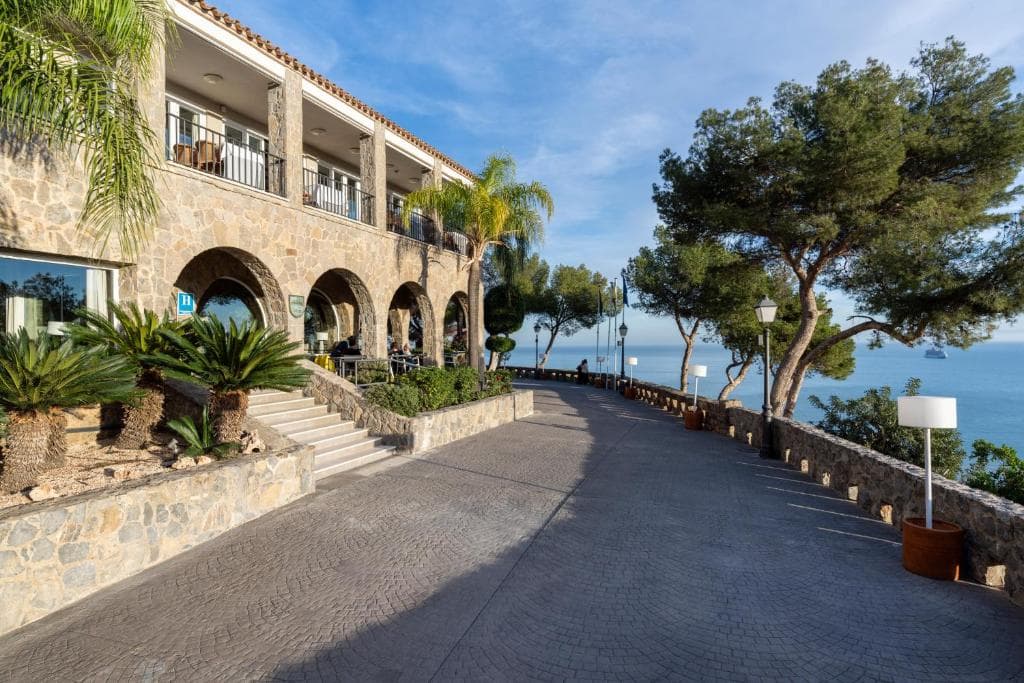
You'll find more upscale options around the Balcón de Europa, often with sea views. Restaurante Balcón de Europa is one, offering Mediterranean dishes in a more formal setting. Expect mains to be in the €18-€25 range.
For something a little more intimate but still excellent, explore the side streets of the old town. Many small restaurants here offer fresh fish of the day, grilled meats, and traditional Spanish dishes. Always check the daily specials for the freshest catch.
Practical Tips for Your Nerja Day Trip
A bit of planning makes any day trip smoother. Here are a few things I've learned from my own visits to Nerja.
Best Time to Visit
Spring (April, May) and Autumn (September, October) are ideal. The weather is warm and pleasant, usually around 20-25°C, and the crowds are thinner than in summer. You can enjoy walking around without getting too hot.
Summer (July, August) is very hot and very busy. If you visit then, make sure to book the caves well in advance. Head to the beach early or late, and seek shade during the midday sun. Winter months are mild, but some smaller places might have reduced opening hours.
Footwear
You’ll be doing a lot of walking, especially if you explore the old town and head down to the beaches. Comfortable shoes are essential. Leave the flip-flops for the beach itself.
Sun Protection
The Costa del Sol lives up to its name. Even on cloudy days, the sun is strong. Bring a hat, sunglasses, and plenty of high-factor sunscreen. Stay hydrated by carrying a water bottle. There are plenty of places to buy drinks, but it's good to have water on hand.
Language
While many people in the tourist areas of Nerja speak some English, especially in shops and restaurants, knowing a few basic Spanish phrases always helps. "Hola" (hello), "Gracias" (thank you), "Por favor" (please), and "La cuenta, por favor" (the bill, please) will go a long way.
Money
Euros are the currency, of course. Most larger shops, restaurants, and attractions accept card payments. However, it's always a good idea to carry some cash for smaller purchases, like a coffee in a local bar, or if you find yourself at a market stall.
Duration
To really enjoy Nerja and see the main sights, plan for a full day. I'd suggest leaving Málaga around 9 AM and returning around 6 PM or 7 PM. This gives you ample time for the caves, the Balcón, a wander through the old town, and a relaxed lunch. Rushing it means you miss the charm.
Combine with Frigiliana?
Frigiliana, a beautiful whitewashed village, is very close to Nerja, just a 15-minute drive inland. It's often mentioned as a place to combine with Nerja. If you have your own car and are happy with a slightly rushed schedule, you could do both. However, for a truly enjoyable and relaxed day trip, I'd recommend focusing solely on Nerja. Frigiliana deserves its own dedicated half-day or full-day trip if you want to explore it properly. Don't try to squeeze too much in.
Is Nerja Worth the Journey? My Honest Take
Absolutely, yes. If you're staying in Málaga or any of the western Costa del Sol resorts, Nerja offers a refreshing change of scenery and pace. It truly feels like a different part of Andalucía. You get the authentic whitewashed village feel that some of the more developed coastal towns have lost.
You won't find the massive party scene of Puerto Banús here, or the extensive shopping malls of Málaga city. What you will find is genuine charm, incredible natural beauty with the caves and the coastline, and a relaxed atmosphere perfect for unwinding. The Balcón de Europa is genuinely impressive, and the old town is a joy to explore. The food, especially the seafood, is fantastic.
The journey by bus is easy and affordable. While it can get busy in summer, particularly around the main attractions, it never feels overwhelmingly crowded in the way some larger cities do. Parking can be a faff if you drive, but that's a minor inconvenience for what you get in return.
If you're looking for a day out that combines history, stunning views, good food, and a chance to experience a more traditional side of the Costa del Sol, Nerja should be high on your list. It's one of my favourite places to recommend for a reason. You'll come back feeling like you've seen something truly special.