
Málaga to Nerja: Every Way to Get There | Travel Guide
Málaga to Nerja: Every Way to Get There and What to Do When You Arrive

By Anna Collins
Updated 3 April 2026
Most people assume Nerja is a quick hop from Málaga. It's not. The road twists through the mountains east of the city, and the journey takes longer than the 55 kilometres on the map suggests. Plan for at least an hour, sometimes more. Get that expectation right and the rest of the trip falls into place beautifully.
How Far Is Nerja from Málaga?
Nerja sits roughly 55 kilometres east of Málaga city centre along the Costa del Sol. By road, you'll follow the A-7 motorway or the older N-340 coastal road, both heading east. The A-7 is faster but less scenic. The N-340 winds through small villages and gives you glimpses of the sea, but adds time.
Driving takes around 55 to 70 minutes depending on traffic. The stretch through the Axarquía hills can slow things down, and summer weekends see queues near the tunnel at Vélez-Málaga. If you're coming from Málaga airport, add on the time to clear the terminal and get out of the city. Budget 90 minutes door to door on a busy day.
Distance from key points:
- Málaga Airport (AGP): approximately 60 km, allow 70 to 90 minutes
- Málaga city centre: approximately 55 km, allow 55 to 75 minutes
- Torre del Mar: approximately 25 km from Nerja, around 30 minutes
Getting from Málaga to Nerja by Bus
The bus is genuinely the best option for most visitors who aren't hiring a car. ALSA operates regular services from Málaga's main bus station, Estación de Autobuses de Málaga, on Paseo de los Tilos. You can walk there from the city centre in about 20 minutes, or take a short taxi.
Buses run roughly every hour or two throughout the day, with more frequent departures in summer. The journey takes around 1 hour 45 minutes, sometimes closer to 2 hours, because the bus stops at several villages along the way including Rincón de la Victoria, Torre del Mar, and Almuñécar. It's not the fastest option, but it's comfortable, air-conditioned, and the views from the window are genuinely good.
What to expect:
- Return ticket: expect to pay around €10 to €14
- Single ticket: around €5 to €7
- Book at the station or online at alsa.es (worth booking ahead in July and August)
- The bus drops you at Nerja's small bus station on Avenida de Pescia, a short walk from the old town
I'd recommend the bus if you're staying in Málaga city and want a straightforward day trip. You don't have to worry about parking in Nerja, which is a genuine headache in high summer.
Driving from Málaga to Nerja
If you're hiring a car, driving gives you the most flexibility. You can stop at Frigiliana on the way back, explore the Nerja Caves at your own pace, or head further east towards La Herradura if you fancy a quieter beach.
The two main routes:
Via the A-7 Motorway
The A-7 is the quicker option. Head east out of Málaga on the motorway and follow signs towards Motril and Granada. There are tolls on certain sections near Málaga, typically around €1.50 to €2.50 depending on your exact entry and exit points. Check current toll prices before you go, as they do change.
Via the N-340 Coastal Road
The old N-340 runs parallel to the motorway for much of the route. It's slower but far more interesting. You'll pass through Rincón de la Victoria and Torre del Mar, and there are several spots where you can pull over and look at the sea. On a quiet weekday morning, I'd choose this road every time.
Parking in Nerja:
This is where people come unstuck. Nerja's old town has very limited parking, and in July and August the streets around the Balcón de Europa fill up by 10am. Your best options are the car park on Calle Diputación (paid, around €1.50 to €2 per hour) or arriving before 9am and finding street parking on the outskirts. Some of the larger hotels have parking, so if you're staying overnight it's worth checking.
Getting from Málaga to Nerja by Taxi or Private Transfer
A standard taxi from Málaga city centre to Nerja will cost somewhere in the region of €70 to €100, depending on the time of day and traffic. From the airport, expect to pay around €80 to €110. These are estimates: always confirm the price before you get in, or use a metered cab.
Private transfer companies offer a fixed-price alternative, which is useful if you're travelling with a group or a lot of luggage. Several companies operate this route, and you can book online in advance. Prices for a private transfer are broadly similar to taxis but give you the certainty of a fixed fare.
For a group of four splitting the cost, a taxi or private transfer starts to look reasonable compared to four bus tickets plus the flexibility of door-to-door service.
Is There a Train from Málaga to Nerja?
No. This catches people out. There is no direct train service from Málaga to Nerja. The Cercanías commuter rail network covers the western Costa del Sol as far as Fuengirola, but doesn't extend east towards Nerja. There have been long-discussed plans for an eastern rail line, but nothing is operational.
Your options remain the bus, a car, or a taxi. If you're already exploring the eastern Costa del Sol by train from Málaga, you can get to Torre del Mar by bus and change, but it's a faff and adds significant time. For Nerja specifically, the ALSA bus from Málaga's main station is the most practical public transport option.
What to Do in Nerja: The Highlights
Nerja rewards slow exploration. It's not a resort built for package tourists in the way that Torremolinos or Benalmádena are. It has a genuine old town, good local restaurants, and some of the best beaches on the Costa del Sol. If you're looking for a broader list, the Things to Do in Nerja guide covers the full picture, but here's where I'd start.
The Balcón de Europa
This is the terrace at the end of Calle Pintada, jutting out over the sea. Every visitor ends up here, and for good reason. The views north and south along the coast are genuinely impressive, and it's the natural centre of the old town. Come early morning if you want it to yourself. By 11am in summer it's packed.
Nerja Caves (Cuevas de Nerja)
About 4 kilometres from the town centre, the Nerja Caves are one of the most significant prehistoric cave systems in Europe. The stalactite formations are extraordinary, and the main concert hall inside the cave hosts a summer festival every July. Tickets cost around €12 for adults, €6 for children. You'll need to book ahead in high season. The Nerja Caves guide has full details on tickets and visiting. You can also find background on the site via the official Cuevas de Nerja website.
Where to Stay
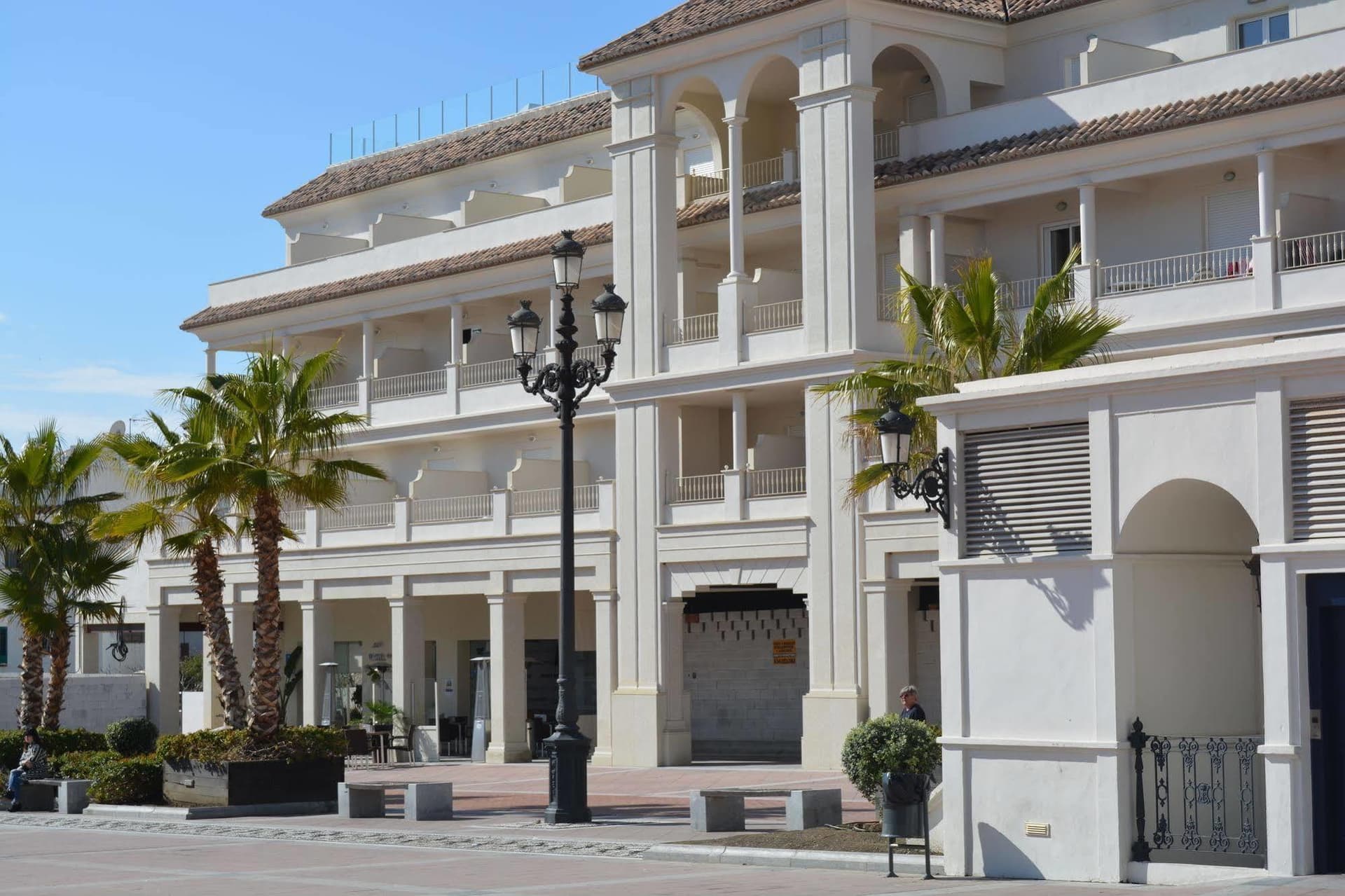
Where to stay in Nerja


Burriana Beach
Nerja has several beaches, but Burriana is the one I'd send anyone to first. It's the largest, with proper beach bars (chiringuitos), sun lounger hire, and a good stretch of sand. Expect to pay around €6 to €8 for a sun lounger and parasol. The restaurant El Chiringuito de Ayo is famous for its paella, cooked in enormous pans over a wood fire. It's a spectacle as much as a meal.
The Old Town
The streets around Calle Pintada and Plaza Cantarero are where you'll find the best independent shops, local bars, and restaurants. It's compact enough to walk in an afternoon. The Nerja Old Town guide goes into much more detail about the specific streets and what's worth your time.
Day Trip vs. Staying Overnight
If you're based in Málaga city, Nerja works as a day trip, but only just. You need the best part of a full day to do it justice. Leave Málaga by 9am, spend the morning at the caves, have lunch on Burriana Beach, and explore the Balcón de Europa in the late afternoon. Get the 6pm or 7pm bus back. That's a full day, and it's a good one.
If you're considering staying overnight, Nerja has a decent range of accommodation from small family-run hostals to larger hotels. Prices are generally lower than Marbella or the western Costa del Sol. Staying overnight lets you see the town in the evening, which is when it's at its best. The restaurants fill up, the streets come alive, and the Balcón de Europa at sunset is a different experience entirely from the midday tourist rush.
For visitors using Nerja as a base for exploring the eastern Costa del Sol, it's worth knowing that Frigiliana (a white village 7 kilometres inland) and Almuñécar (just across the border into Granada province) are both easy half-day trips by car.
Best Time to Visit Nerja from Málaga
July and August are the busiest months. The beaches are packed, parking is a nightmare, and the Nerja Caves get queues. If you're visiting in summer, book the caves in advance and aim to arrive early.
May, June, September, and October are the sweet spots. The weather is warm and reliable, the sea temperature is good from June onwards, and the crowds are manageable. I'd pick late September or early October above all else: the summer visitors have gone, the locals have their town back, and the light in the evenings is extraordinary.
Winter visits are possible. Nerja is quieter but not dead. Some restaurants close or reduce hours from November to February, but the town itself stays open and the weather is mild enough for walking. Expect daytime temperatures of 15 to 18°C from December to February. For a wider picture of the region's seasonal patterns, Turismo Costa del Sol has useful month-by-month climate information.
Practical Tips Before You Go
A few things that will save you time and frustration:
Money: Nerja is not expensive by Spanish standards, but prices have risen in recent years. A sit-down lunch for two with wine will cost around €30 to €45. Tapas and a drink at a local bar, around €5 to €8 per person.
Language: English is widely spoken in Nerja's tourist areas, more so than in many inland towns. That said, a few words of Spanish go a long way and will be appreciated.
Mobile signal: Good throughout the town and on the main beaches. The caves have no signal inside, which is fine.
What to bring: Sun cream, a hat, and cash for smaller beach bars. Most restaurants take cards but some smaller chiringuitos are still cash only.
Combining with other stops: If you're driving, Frigiliana is 15 minutes from Nerja and well worth an hour of your time. If you're on the bus, it's harder to combine, but local buses do run between Nerja and Frigiliana a few times a day.book guided tours of the caves, beaches and mountain villages online before you arrive. If you're on the bus, it's harder to combine, but local buses do run between Nerja and Frigiliana a few times a day.
For wider context on day trips from the city, the Best Day Trips from Málaga guide covers Nerja alongside other options including Ronda and the Caminito del Rey, which helps if you're planning a longer itinerary and trying to decide how to spread your time.
Frequently Asked Questions
More in Nerja, Málaga: The Complete Travel Guide to Spain's Jewel

Balcón de Europa Nerja: Complete Visitor Guide
Balcón de Europa, Nerja: Everything You Need to Know Before You Visit
Read more →
Best Hotels in Nerja 2026: Where to Stay & What to Pay
Best Hotels in Nerja 2026: Where to Stay, What to Pay and What to Avoid
Read more →Hotels in Nerja: Where to Stay, What to Pay & What to Avoid
Hotels in Nerja: Where to Stay, What to Pay, and What to Avoid
Read more →
Nerja Beach: Complete Guide to Every Beach in Nerja
Nerja Beach: Everything You Need to Know Before You Go
Read more →Nerja Old Town: Local Guide to the Casco Histórico
Nerja Old Town: A Local's Honest Guide to the Best of the Casco Histórico
Read more →Nerja Restaurants: Where to Eat, What to Order & Skip
Nerja Restaurants: Where to Eat, What to Order, and What to Skip
Read more →Things to Do in Nerja: A Local's Complete Guide
Things to Do in Nerja: A Local's Complete Guide
Read more →Villa Rentals in Nerja: Prices, Areas & Booking Tips 2026
Villa Rentals in Nerja: What You Actually Get for Your Money
Read more →