
Top Things to Do in Torremolinos: A Local's Guide
You know, for a place often pegged as an old-school package holiday spot, Torremolinos has a surprising amount of green space. It’s not all beach and bars, though you'll find plenty of those too. I’ve lived down the road since 2007, and I’ve seen Torremolinos evolve, keeping its lively spirit

By Anna Collins
Updated 4 April 2026
You know, for a place often pegged as an old-school package holiday spot, Torremolinos has a surprising amount of green space. It’s not all beach and bars, though you'll find plenty of those too. I’ve lived down the road since 2007, and I’ve seen Torremolinos evolve, keeping its lively spirit but adding some genuine local flavour if you know where to look. It’s easy to get to, good value, and perfect if you want a reliable dose of Spanish sunshine with proper facilities.
Getting to Torremolinos from Málaga Airport
Getting to Torremolinos from Málaga Airport is one of the easiest transfers on the Costa del Sol. You've got a few solid options, all pretty straightforward.
By Train (Cercanías)
The local train, called Cercanías C1, is your best bet. It's cheap, quick, and efficient. You'll find the station right outside Terminal 3 at Málaga Airport. Follow the signs for "Tren" or "Cercanías". The train runs frequently, typically every 20 minutes from early morning until late evening.
A single ticket to Torremolinos costs around €1.80. You can buy tickets from the machines at the station. They're easy to use, with English language options. The journey itself takes about 10 minutes. Torremolinos has two main stops: La Colina, which is handy if your hotel is further east, and Torremolinos Centro, which drops you right in the middle of town, near Calle San Miguel.
By Taxi
Taxis are plentiful at the airport. You'll see the taxi rank just outside the arrivals hall. It’s a convenient option if you have a lot of luggage, or if there are a few of you sharing the cost. Expect to pay around €20-€25 for a ride to Torremolinos town centre. The journey takes about 15-20 minutes, depending on traffic. Always make sure the meter is on or agree on a price before you set off.
By Bus
While possible, the train is usually quicker and more direct. However, local buses do run from the airport. You'd typically take an EMT bus (Line A Express) into Málaga city centre, then transfer to an M-110 bus to Torremolinos. This is a bit more faff, but it’s cheaper than a taxi. For most people, the train is the superior choice.
Car Hire
If you plan on exploring more of the Costa del Sol or heading inland, hiring a car makes sense. All the major car hire companies have desks at Málaga Airport. Book in advance for the best rates, especially during peak season. Driving to Torremolinos is easy, it's a short hop along the MA-20 and N-340/A-7. Parking in Torremolinos can be tricky, particularly in the summer. Many hotels offer parking, so check that when you book.
Beach Life in Torremolinos: Sand, Sea, and Sardines
Torremolinos has a long stretch of coastline, roughly seven kilometres, split into a few distinct areas. You'll find plenty of space, sunbeds, and chiringuitos, those fantastic beachside restaurants. The beaches here are generally wide and well-maintained.
El Bajondillo Beach
This is the main beach right in front of Torremolinos town centre. It’s easily accessible via the steps or lifts from Calle San Miguel. You'll find rows of sun loungers for hire, usually around €6-€8 for the day, including a parasol. The sand is dark, typical of Málaga beaches. The promenade behind it, Paseo Marítimo, is lively with shops, cafes, and chiringuitos.
Walk a bit further east, and the beach becomes Playamar and then Los Álamos. These areas tend to have a slightly younger, more relaxed vibe, with some trendier beach clubs and live music in the evenings.
La Carihuela Beach
Head west from the town centre, past the rocky point of Punta Gatuna, and you’ll reach La Carihuela. This area has a different feel altogether. It's a former fishing village, and it retains some of that charm. The beach here is very popular, known for its excellent seafood restaurants. The sand is similar to El Bajondillo, and sunbed prices are comparable.
The promenade along La Carihuela is flatter, making it easier for buggies and those with mobility issues. It's generally a bit quieter than the central Torremolinos stretch, but still very popular. If you're staying in La Carihuela, you'll likely spend most of your beach time here. You can find more detail on the specific characteristics of each stretch on our Torremolinos Beach Guide.
What to Eat on the Beach
You absolutely must try espetos de sardinas. These are fresh sardines skewered on a cane stick and grilled over an open wood fire in a sandpit boat. Every good chiringuito along the promenade will serve them. They're cheap, usually €4-€6 for a skewer of 6-8 sardines, and utterly delicious. Pair them with a cold caña (small beer) or a glass of tinto de verano. Other typical beach eats include fritura malagueña (mixed fried fish) and paella.
Exploring Torremolinos Town Centre: Shops, Squares, and a Bit of History
Torremolinos town centre is built on a hill, sloping down towards the sea. It's a mix of pedestrianised streets, lively squares, and older residential areas.
Calle San Miguel
This is the main shopping street. It’s pedestrianised and always buzzing. You'll find all sorts of shops here, from international brands to local boutiques selling souvenirs, leather goods, and flamenco dresses. It’s a good place for a stroll, even if you're just window shopping. Expect crowds, especially in the evenings and during high season.
At the top of Calle San Miguel, you'll find the Church of San Miguel, a pretty parish church. Just behind it is Plaza Costa del Sol, a modern square often used for events and markets.
Torre de Pimentel (Torre Molinos)
Near the bottom of Calle San Miguel, as you head towards the beach, you'll see the Torre de Pimentel. This is the old watchtower that gave Torremolinos its name, "Mill Tower". It's a small, unassuming structure, but it’s a nod to the town's history as a coastal defence point. It’s not an attraction you go inside, but it’s worth a quick look as you pass by.
Cuesta del Tajo
This is the steep set of steps and winding path that connects Calle San Miguel to El Bajondillo beach. It’s lined with small shops, cafes, and restaurants. It’s a scenic walk down, but be prepared for the climb back up, especially after a big lunch. There are also lifts available near the Torre de Pimentel if you prefer to save your legs.
Plaza de la Nogalera
This square is known as the heart of Torremolinos's nightlife. During the day, it's a pleasant spot for a coffee. At night, it comes alive with bars and clubs. It’s particularly popular with the LGBTQ+ community, with many establishments catering to this crowd. You can find more specific recommendations for evening entertainment in our Torremolinos Nightlife guide.
Relaxing in Green Spaces: Parks and Gardens
Torremolinos isn't just concrete and coastline. It has some really pleasant green spaces where you can escape the crowds and enjoy some peace.
Parque de la Batería
This park is a real gem. It’s up on a hill, so you get some decent views towards the sea and Benalmádena. To get there, you can take the Cercanías train one stop west from Torremolinos Centro to Montemar Alto. From the station, it’s a short walk.
The park is beautifully maintained. It has a large artificial lake where you can hire rowing boats for a few euros. There are playgrounds for kids, plenty of shaded walking paths, and even some old cannons and an anti-aircraft bunker from the Spanish Civil War, which gives the park its name ("Battery Park"). It’s a great spot for a picnic or a leisurely afternoon stroll. Entry is free.
Jardín Botánico Molino de Inca
Just a short walk from the Crocodile Park, the Molino de Inca Botanical Gardens are a tranquil oasis. They’re built around an old flour mill, and you can still see the original water channels. The gardens are home to a huge variety of plants, including some impressive palms, a Japanese garden, and a cactus collection. You'll also find some lovely fountains and sculptures.
It’s a relatively small garden, but it's very peaceful. There’s a small entrance fee, typically around €3-€5. It's a nice escape from the heat and hustle, and a good option if you want to see something a bit different. It’s open most days, but check specific times online before you go.
Family Fun: Water Parks and Wildlife
If you're travelling with kids, Torremolinos has a couple of solid options to keep them entertained, and in high season it's worth booking the popular Torremolinos activities ahead so you're not queuing at the gate.
Aqualand Torremolinos
This is a large water park, usually open from May to October. It’s got all the usual slides, wave pools, and splash areas you'd expect. There are plenty of thrilling rides for older kids and adults, like the Kamikaze and Black Hole, as well as gentler options for younger children.
It’s a full day out, so arrive early to get a good spot. Food and drink inside can be pricey, so many people bring their own picnic. Lockers are available for a small fee. Tickets can be bought online in advance, often with a discount, or at the gate. Expect to pay around €30-€35 for adults and €20-€25 for children. It’s located just a short walk from the Molino de Inca gardens.
Crocodile Park (Cocodrilos Park)
Right next door to Aqualand, the Crocodile Park is exactly what it sounds like. It's home to a collection of crocodiles, including a very large Nile crocodile called "Big Daddy". The park focuses on education and conservation.
There are daily demonstrations where you can see the crocodiles being fed and learn about their behaviour. You can even hold a baby crocodile, which is usually a big hit with kids (and some adults). It's not a huge park, so you’ll probably spend 2-3 hours there. Tickets are around €10-€15 for adults and €7-€10 for children. It’s a good option for a half-day activity, especially if you combine it with the botanical gardens or Aqualand.
Day Trips from Torremolinos
Torremolinos is a good base for exploring other parts of the Costa del Sol. The train line (Cercanías C1) makes it easy to hop to neighbouring towns.
Benalmádena
Just one stop west on the train (or a pleasant walk along the promenade), Benalmádena offers a different flavour. You can visit the impressive Benalmádena Marina (Puerto Marina), which is full of shops, restaurants, and boats. From there, take the Benalmádena Cable Car up Mount Calamorro for spectacular views. You could easily spend a full day exploring Benalmádena and its attractions. Our guide to Things to Do in Benalmádena: Complete Guide | Costa del Sol has more ideas.
Málaga City
Málaga city centre is only a 20-minute train ride away (Cercanías C1 to Málaga Centro Alameda). It’s a fantastic city, packed with history, culture, and great food. You could visit the Picasso Museum, explore the Alcazaba fortress, or just wander through the Málaga Old Town. It’s a completely different experience from the coast. Check out our Things to Do in Malaga: The Ultimate Local Guide for a full rundown.
Mijas Pueblo
For a taste of a traditional whitewashed Andalucian village, take a bus up to Mijas Pueblo. Buses run regularly from Torremolinos bus station (near the main train station). The journey takes about 30-40 minutes. Mijas Pueblo is charming, with narrow cobbled streets, donkey taxis, and incredible views down to the coast. Our Mijas Pueblo: 15 Things to Do in This Whitewashed Village page gives you all the details.
Ronda
If you're willing to go a bit further, a day trip to Ronda is highly recommended. It’s famous for its Puente Nuevo bridge spanning a deep gorge. You’ll need to either hire a car or take an organised tour, as public transport connections are a bit more involved. It's a much longer day, but completely worth it for the views and the history. Our Ronda Day Trip from Malaga article has more information.
Eating and Drinking in Torremolinos
Torremolinos has an abundance of places to eat and drink, catering to all tastes and budgets. From traditional Spanish fare to international cuisine, you'll find it here.
Seafood in La Carihuela
As mentioned earlier, La Carihuela is the place for seafood. The promenade is lined with chiringuitos and restaurants serving fresh fish and shellfish. Marisquería Casa Juan is a long-standing favourite, known for its busy atmosphere and excellent fritura malagueña. El Rincón de Nacho is another popular choice. Don’t be afraid to try somewhere that looks busy with locals. That's usually a good sign. Expect to pay around €15-€25 per person for a good seafood meal, depending on what you order.
Tapas and Traditional Spanish Food
For tapas, head away from the main tourist strips and into the side streets around Calle San Miguel. Bar El Gato Lounge is a good spot for a drink and some decent tapas in a relaxed setting. Mesón Galego Antoxo offers excellent Galician-style dishes and tapas, often with a buzzing atmosphere.
For something more traditional, try El Pescador, which despite its name, also does great meat dishes and Spanish classics. Many places offer a menú del día (set menu of the day) at lunchtime, typically €10-€15 for two or three courses including a drink. This is usually fantastic value.
International Options
You'll find everything from Italian and Chinese to Indian and British pubs in Torremolinos. If you fancy a change from Spanish food, you won't struggle to find it. Many of the British and Irish bars also serve up familiar pub grub.
Nightlife
Torremolinos has a well-deserved reputation for its nightlife. Plaza de la Nogalera is the epicentre, particularly for the LGBTQ+ scene, with numerous bars and clubs like Parthenon and Eden Copas.
Along the Paseo Marítimo, especially towards Playamar and Los Álamos, you'll find beach clubs and bars that stay open late, often with DJs and live music. For a more relaxed evening, many chiringuitos along La Carihuela offer drinks with sea views.
Practical Information and Tips
A few bits of advice to help you make the most of your Torremolinos holiday.
Best Time to Visit
Where to Stay
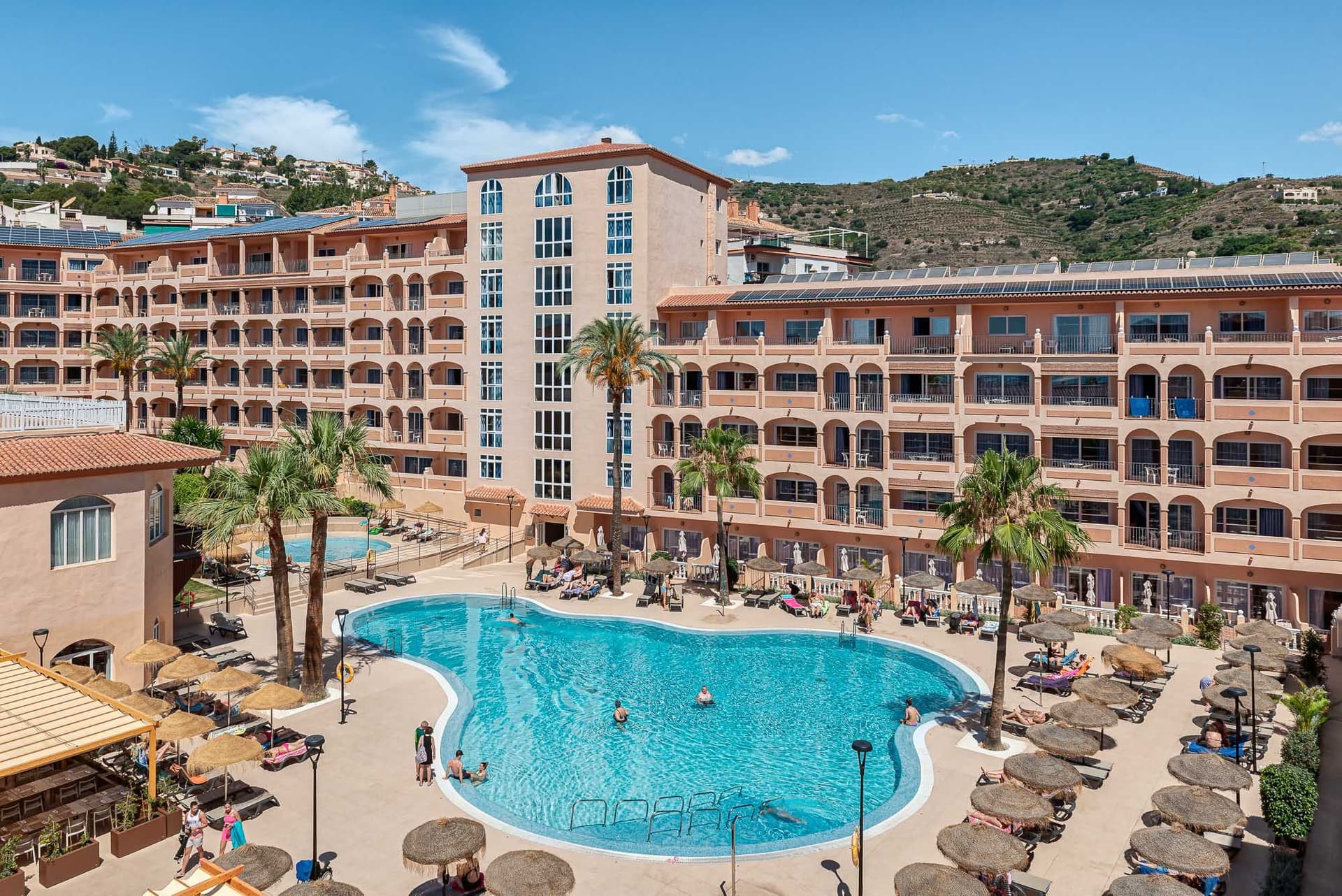
Where to stay in Torremolinos


- Summer (June-August): This is peak season. Expect hot weather (often 30°C+), crowded beaches, and lively nightlife. Prices for flights and accommodation are at their highest. If you love the buzz and don't mind the heat, it's great.
- Spring (April-May) & Autumn (September-October): These are my favourite times. The weather is warm and pleasant (20-28°C), the crowds are smaller, and prices are more reasonable. The sea is warm enough for swimming from late May through October.
- Winter (November-March): Mild temperatures (15-20°C), fewer tourists. Some beach chiringuitos might close, but many restaurants and bars remain open. It’s perfect for walking, golf, or just enjoying some winter sun. Don't expect scorching heat, but it's a lovely escape from colder climates.
Getting Around Torremolinos
- Walking: The town centre and promenades are very walkable. Be prepared for some hills, especially around the Cuesta del Tajo.
- Local Buses: Torremolinos has a good local bus network that connects different areas of the town, including the beaches and residential zones. Fares are usually around €1.50.
- Taxis: Taxis are readily available and reasonably priced for short journeys within Torremolinos. Look for official white taxis with a green light on top.
- Train (Cercanías C1): As mentioned, this is excellent for getting to the airport, Málaga city, or Benalmádena. You can check timetables on the official Renfe website.
Money and Language
- Currency: Euro (€).
- ATMs: Plenty of cash machines available throughout the town.
- Card Payments: Most restaurants, shops, and hotels accept card payments, but it’s always handy to have some cash for smaller purchases or for places like sunbed rentals.
- Language: Spanish is the official language. In tourist areas, you'll find many people speak English, especially in shops, hotels, and restaurants. Learning a few basic Spanish phrases (hello, goodbye, please, thank you) is always appreciated.
Safety
Torremolinos is generally a safe place. Like any tourist destination, be aware of pickpockets in crowded areas, especially Calle San Miguel and the markets. Keep an eye on your belongings, particularly on the beach.
Sun Protection
The Spanish sun is strong, even on cloudy days. Always use high-factor sunscreen, wear a hat, and drink plenty of water. Stay out of the direct sun during the hottest part of the day (1pm-4pm) in summer.
Shopping and Markets
Beyond Calle San Miguel, Torremolinos offers a few other shopping opportunities.
Street Markets
Torremolinos hosts a couple of popular street markets. The main one is held every Thursday morning (usually 9 am-2 pm) at the Recinto Ferial (fairground), which is a bit inland from the centre. You can take a local bus or walk for about 15-20 minutes. Here, you'll find everything from clothes, shoes, and handbags to fresh fruit, vegetables, and local produce. It’s a lively experience, and a good place to pick up some bargains or souvenirs.
There's also a smaller, more artisanal market on Sundays, sometimes held near the town centre or in La Carihuela. Check local signs or ask at your hotel for the exact location and times, as these can vary.
Souvenirs and Local Products
For souvenirs, you'll find plenty along Calle San Miguel and the Cuesta del Tajo. Look for traditional Spanish pottery, leather goods, flamenco accessories, and local food products like olive oil, cured meats, and Málaga wine. Many small shops offer unique items you won't find in larger chain stores.
Festivals and Events
Torremolinos, like most Spanish towns, loves a fiesta. If you're lucky enough to be here during one, it’s a great way to experience local culture.
San Juan (Midsummer)
On the night of June 23rd, the beaches come alive for San Juan. People gather on the sand, light bonfires, and celebrate until the early hours. It's traditional to jump over the fires and swim in the sea at midnight for good luck. It’s a magical, slightly chaotic night.
Feria de San Miguel
Held in late September, the Feria de San Miguel is the town's biggest annual festival, honouring its patron saint. The fairground (Recinto Ferial) transforms with rides, food stalls, and music. During the day, there's a procession and events in the town centre, with people dressed in traditional Andalucian attire. It's a proper Spanish party, full of colour, music, and dancing.
Other Events
Throughout the year, especially in summer, the town often hosts concerts, open-air cinema nights, and cultural performances, particularly in Plaza Costa del Sol or along the promenade. Keep an eye on local posters or ask at the tourist information office for current listings.
Health and Well-being
It’s always good to know where to go if you need medical assistance or want to stay active.
Pharmacies (Farmacias)
You'll find plenty of pharmacies in Torremolinos, easily identifiable by a green cross sign. They can offer advice for minor ailments and sell over-the-counter medicines. Many pharmacists speak English. For serious emergencies, dial 112.
Doctors and Hospitals
There are several private clinics in Torremolinos that cater to tourists. If you have a European Health Insurance Card (EHIC) or Global Health Insurance Card (GHIC), you can access public healthcare. The nearest public health centre (Centro de Salud) is in Torremolinos, and the main public hospital (Hospital Universitario Virgen de la Victoria) is in Málaga city. Always travel with appropriate travel insurance.
Staying Active
Beyond swimming in the sea or your hotel pool, Torremolinos offers other ways to stay active. The promenade is perfect for walking, jogging, or cycling. You can rent bikes from various shops along the seafront. Many hotels have gyms, and there are several private gyms in town if you want to keep up your routine.
Frequently Asked Questions
More in Things to Do in Torremolinos: Beaches, Culture & Day Trips
Best Restaurants in Torremolinos: Local's Guide to Where to Eat
# Best Restaurants in Torremolinos: Where to Eat, What to Order and What to Skip
Read more →
Clubhotel Riu Costa del Sol Review: Torremolinos All-Inclusive Done Well
One of Torremolinos's best-known resorts, here's the honest view on whether it delivers.
Read more →
Torremolinos Beach Guide: Best Beaches, Food & Tips
You know, for a town often pigeonholed by its past, Torremolinos has a surprisingly long and varied coastline. We're talking about seven kilometres of sandy stretches, each with its own flavour. From the lively pulse of Playamar to the more relaxed feel of La Carihuela, there’s more to these beaches
Read more →Torremolinos Nightlife: Bars, Clubs & Live Music Guide
Torremolinos has a funny reputation, doesn't it? For decades, it was the poster child for package holidays, then went a bit quiet. But if you think it's just cheap pints and karaoke, you're missing the point. The town has reinvented itself, especially when the sun goes down. You'll still find plenty
Read more →